

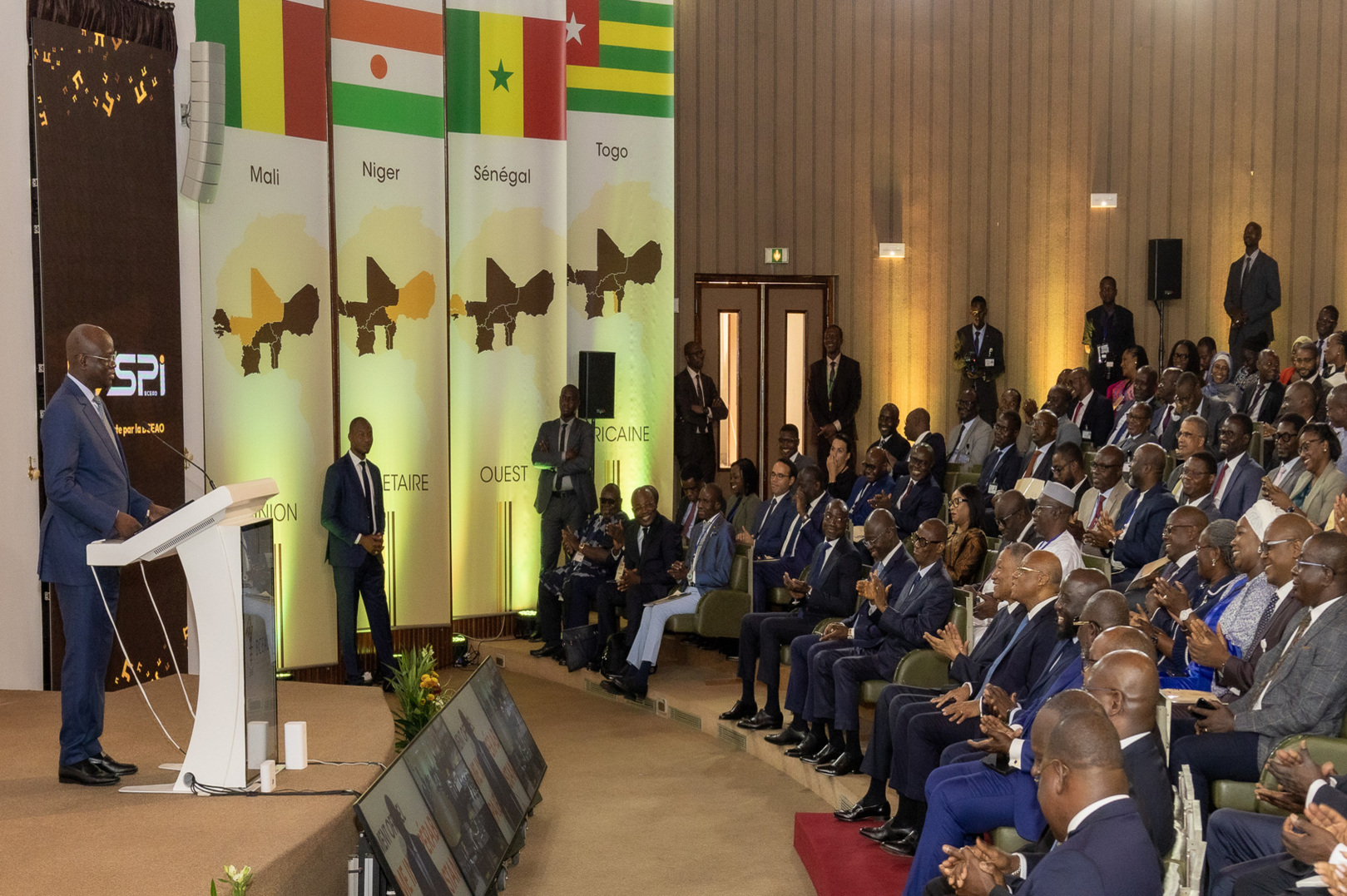
The Central Bank of West African States (BCEAO) is accelerating the digital transformation of payments across the West African Economic and Monetary Union (UEMOA) through its Interoperable Instant Payment System Platform (PI-SPI), which is seeing rapid adoption since its launch.
The regional infrastructure is designed to enable faster, more accessible and secure financial transactions across the eight UEMOA member states: Benin, Burkina Faso, Côte d’Ivoire, Guinea-Bissau, Mali, Niger, Senegal and Togo.
The PI-SPI platform allows customers to make instant transfers between different financial institutions, including banks, electronic money institutions, microfinance institutions and payment service providers, without being restricted by the type of account or service used.
The BCEAO said the system operates continuously, enabling payments and transfers 24 hours a day, seven days a week, with the objective of improving financial inclusion and bringing more individuals and businesses into the formal financial system.
Since its deployment, the platform has recorded growing participation from financial actors across the region. By April 2026, dozens of banks, electronic money providers, microfinance institutions and payment operators had joined the network.
The initiative is part of the BCEAO’s broader strategy to modernize the region’s payment ecosystem, reduce dependence on cash transactions and strengthen economic integration within UEMOA.
For businesses, the system is expected to simplify digital payments, improve transaction efficiency and facilitate regional trade. For households, it aims to provide easier access to secure financial services, including transfers between bank accounts and mobile money platforms.
The development of PI-SPI reflects a wider trend across Africa, where central banks and financial institutions are investing in digital payment infrastructure to expand financial inclusion and support the growth of the digital economy.