

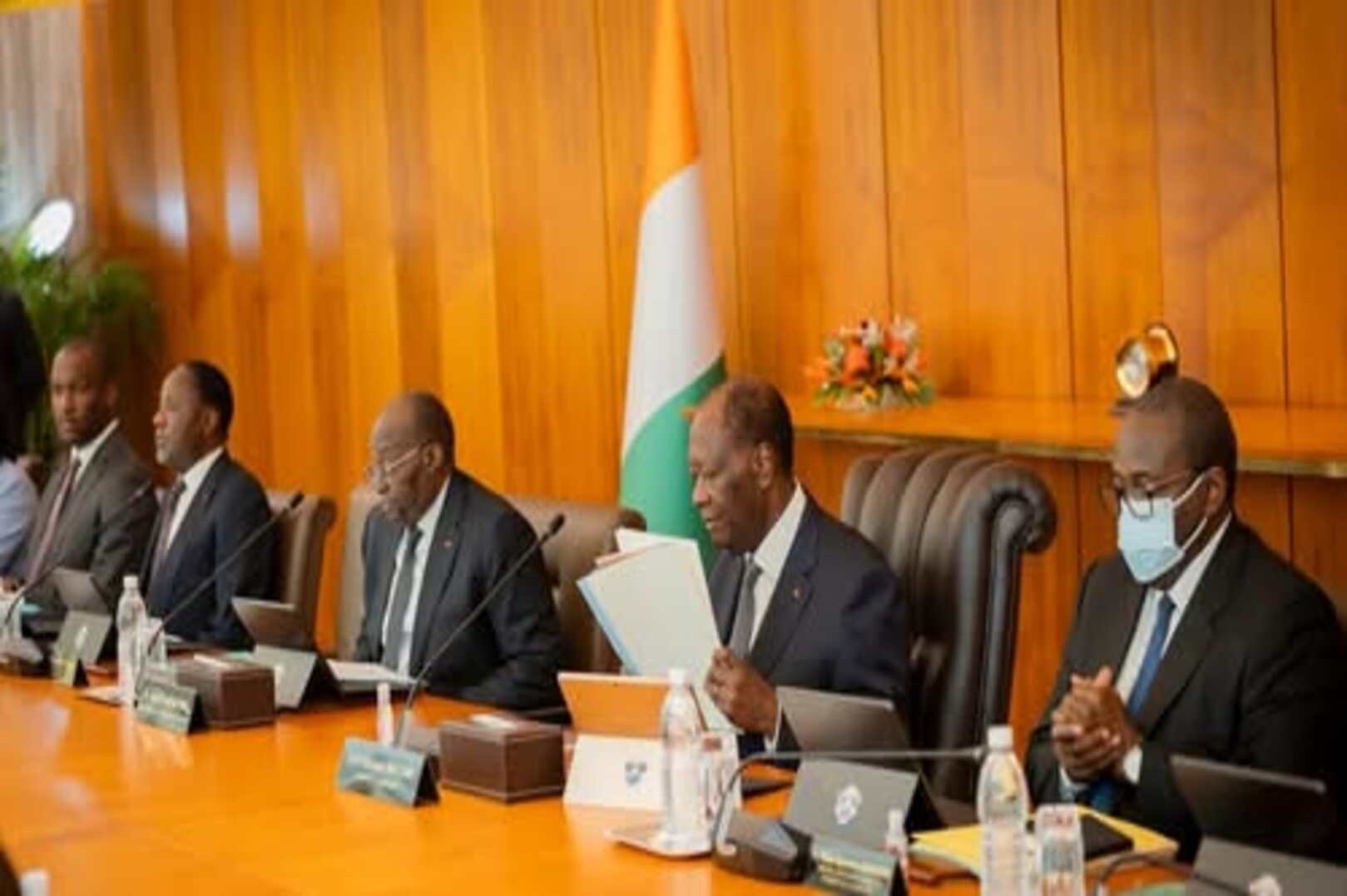
Côte d’Ivoire has taken a major step in its economic growth strategy by officially adopting the National Development Plan (PND) 2026–2030. Presented during a Council of Ministers meeting chaired by President Alassane Ouattara, the plan is an ambitious roadmap aiming to position the country among upper-middle-income economies by 2030.
The plan has a total budget of 114,838.5 billion CFA francs, making it one of the most significant development programs in the country’s recent history. More than 70 percent of the funding is expected to come from the private sector, with the remainder covered by the public sector, including through resource mobilization on financial markets.
The PND 2026–2030 focuses on 22 strategic areas, including economic transformation, human capital development, infrastructure, and climate resilience. The government aims to increase local value addition, improve education and employability for young people, and sustain an average economic growth of 7.2 percent over the period.
Officials emphasize that the plan also seeks to strengthen institutional stability, regional cooperation, and the country’s resilience to security and environmental challenges. The PND builds on previous development plans and reflects Côte d’Ivoire’s ongoing efforts to advance economic and social reforms.
With this new five-year plan, Côte d’Ivoire aims to attract more investment, promote innovation, and consolidate its position as a key player in the West African economy.