

Côte d’Ivoire has called for accelerated regional agricultural reforms to strengthen food sovereignty across West Africa during an extraordinary virtual ministerial session of the Economic Community of West African States (ECOWAS) held on Tuesday.
The meeting, chaired by Sierra Leone’s Minister of Agriculture and Food Security, Dr. Henry Musa Kpaka, brought together agriculture ministers from ECOWAS member states to review progress on the revision of the regional agricultural policy, known as ECOWAP, and discuss challenges related to fertilizer management and supply within the bloc.
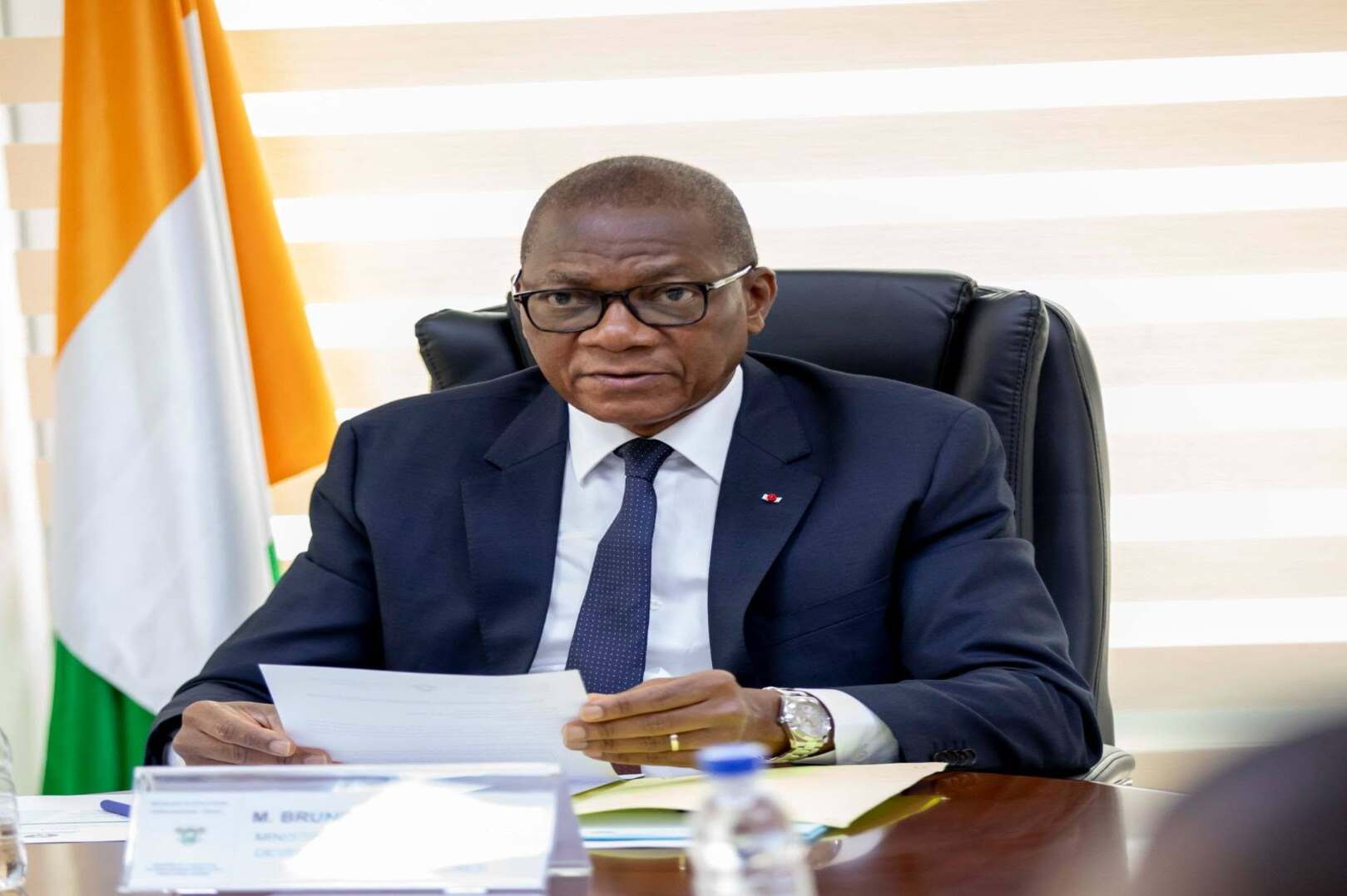
Speaking on behalf of Côte d’Ivoire, Minister of Agriculture, Rural Development and Food Crops Production Bruno Nabagné Koné welcomed the ongoing review of ECOWAP, describing it as a strategic opportunity to adapt regional agricultural policies to current challenges.
According to Koné, the revised policy should enable West African countries to better address food security concerns, climate change impacts, and the competitiveness of agricultural value chains across the region.
As part of this process, the Ivorian minister announced that Côte d’Ivoire plans to organize a national workshop during the first two weeks of July to validate the ECOWAP evaluation report. The exercise is expected to pave the way for the formulation of the country’s third National Agricultural Investment Program (PNIA III), which will define key agricultural development priorities for the coming years.
Fertilizer availability and affordability were also central to the discussions. Koné emphasized the strategic importance of fertilizers in boosting agricultural productivity and ensuring food security throughout West Africa.
He called for the removal of tariff and non-tariff barriers that hinder the free movement of fertilizers within ECOWAS and urged member states to harmonize tax policies affecting agricultural inputs. He also advocated for stronger regional fertilizer production capacities to reduce dependence on imports.
“Reducing our reliance on external markets requires the development of a stronger and more competitive regional fertilizer industry,” Koné said.
The discussions come as many West African countries seek to strengthen resilience against global supply chain disruptions, rising input costs, and the growing effects of climate change on agricultural production.
The revision of ECOWAP is widely seen as a key step toward modernizing West African agriculture, improving regional food self-sufficiency, and promoting sustainable economic growth in rural communities.