

Côte d’Ivoire plans to build two new international airports in San Pedro in the southwest and Bondoukou in the eastern part of the country as part of its ambitious National Development Plan (PND) 2026–2030 aimed at transforming the West African nation into a major regional economic and logistics hub.
The project forms part of a broader infrastructure modernization strategy led by President Alassane Ouattara’s government as the country continues to post one of the fastest-growing economies on the African continent.
According to official government documents and transport sector plans, the future San Pedro international airport is expected to become one of the country’s largest infrastructure projects over the coming years. The Ivorian Ministry of Transport plans to develop an airport capable of handling medium- and long-haul aircraft, alongside a passenger terminal, cargo facilities, and an “aerocity” integrating hotels, commercial zones, and industrial infrastructure.
The estimated cost of the San Pedro project is around 1 trillion CFA francs.
San Pedro already holds a strategic position in Côte d’Ivoire’s economy. The city hosts the country’s second-largest port after Abidjan and serves as a key gateway for cocoa exports, agricultural products, and mining resources from western Côte d’Ivoire. Authorities also expect the new airport to stimulate tourism and industrial investment in the region.
“The Ivorian sky will further expand with the planned construction of two new international airports in San Pedro and Bondoukou,” regional news agency APA News recently reported regarding the government’s major infrastructure priorities under the PND 2026–2030.
The Bondoukou project is intended to strengthen connectivity in eastern Côte d’Ivoire and reduce regional disparities in infrastructure development. While few technical details have been publicly released so far, authorities say the airport will help integrate inland regions into the country’s major economic corridors.
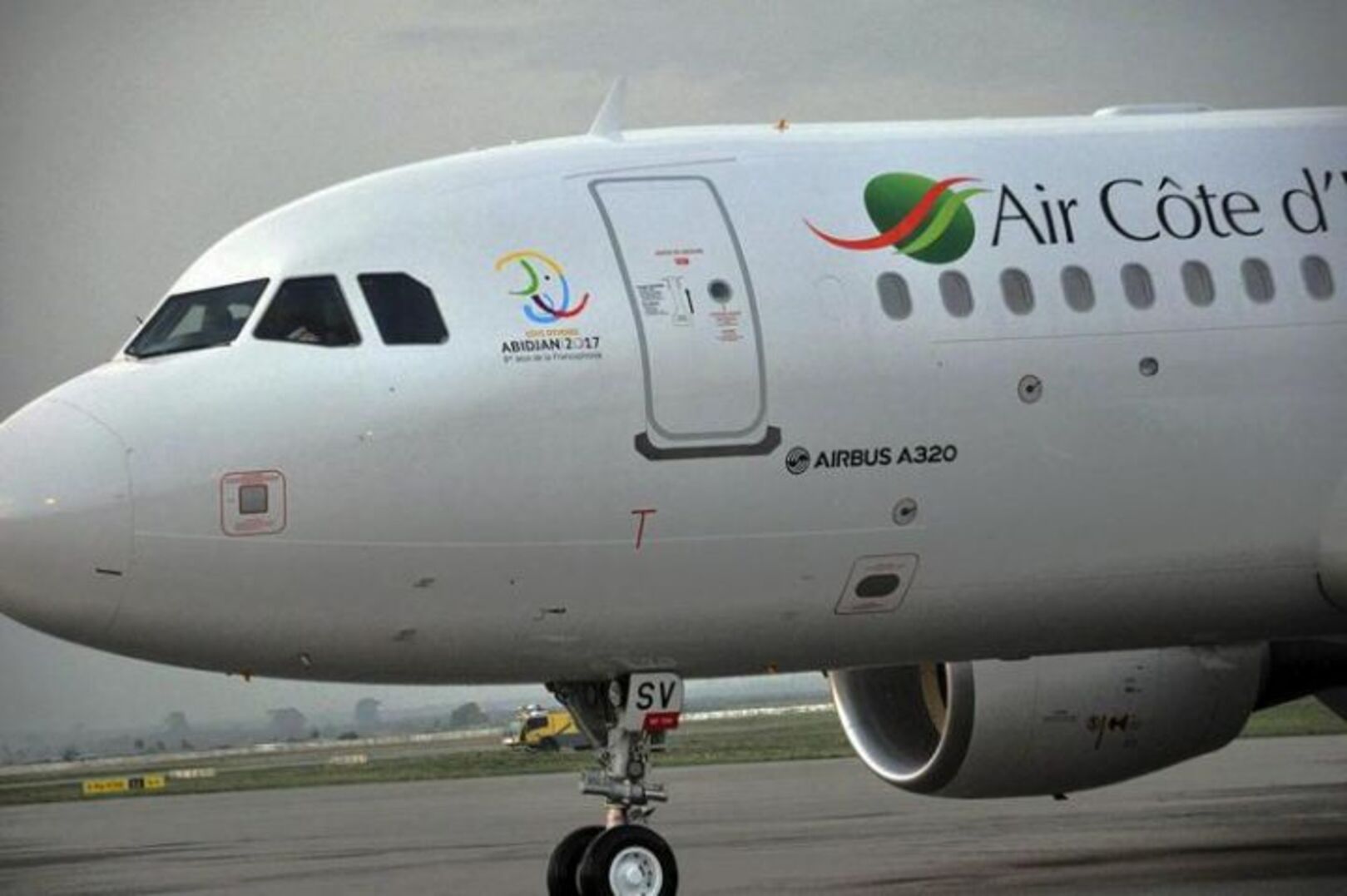
Côte d’Ivoire currently operates three international airports located in Abidjan, Yamoussoukro, and Bouaké, in addition to several regional airfields. However, Abidjan’s Félix Houphouët-Boigny International Airport remains the country’s primary aviation gateway and the hub for national carrier Air Côte d’Ivoire.
The government now aims to position Côte d’Ivoire as a regional center for air transport, trade, and logistics through large-scale investments in roads, ports, railways, and energy infrastructure.
The PND 2026–2030 outlines more than 114 trillion CFA francs in planned public and private investments, with the goal of elevating Côte d’Ivoire to upper-middle-income economy status by 2030.
Alongside the airport projects, the development plan also includes highway expansion, railway modernization, and the creation of new industrial zones across the country.
For Ivorian authorities, these investments are expected to reinforce the country’s role as an economic engine within the West African Economic and Monetary Union (WAEMU) and as a future logistics gateway for the wider region.