

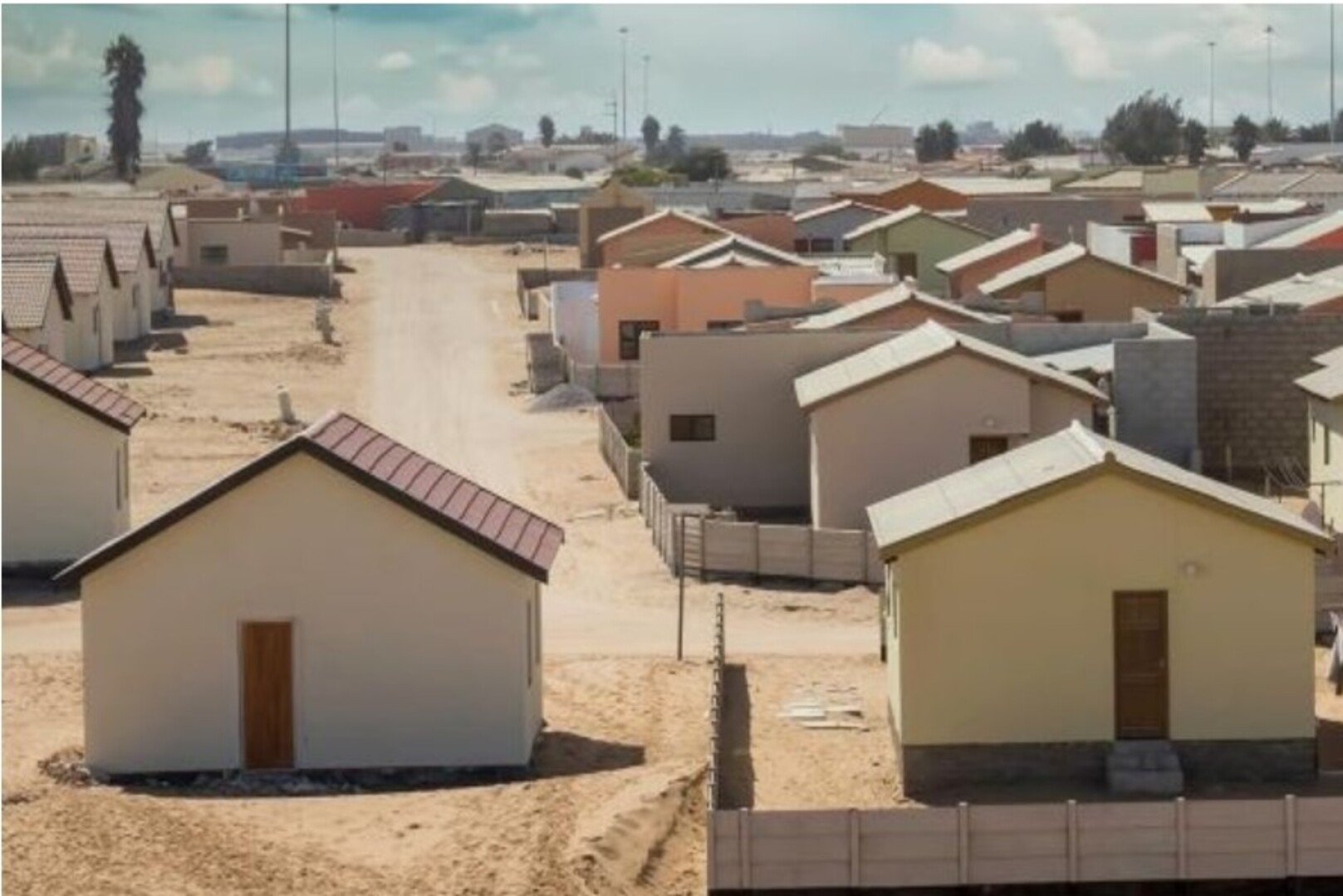
Faced with the ongoing difficulties for a large segment of the population to access affordable economic and social housing, the government of Côte d’Ivoire is overhauling its fiscal framework. Until now, incentives were mainly targeted at real estate developers, but this approach failed to fully achieve the state’s social objective: enabling low-income households to access decent housing. The 2026 fiscal annex marks a turning point by placing first-time homebuyers at the center of the strategy.
The reform introduces an unprecedented tax credit for individuals purchasing or building their first economic and social housing unit. The credit is set at 5% of the property price, up to a maximum of 40 million FCFA, considered appropriate for the affordable housing market. Unlike an immediate price reduction, the credit will be applied to property tax over a maximum period of five years, providing a gradual and sustainable reduction in the homeowner’s tax burden.
The government also enhances the attractiveness of this measure by eliminating several ancillary costs that previously penalized households. For first-time home purchases, land registration fees will now be fully exempt. These benefits are in addition to existing measures: VAT exemption on notary fees, removal of the banking operations tax (TOB) on buyer loans, and exemption from registration and stamp duties on property transfers.
For households opting to build their first home, the government extends the TOB exemption to loans specifically contracted for construction, while again eliminating land registration fees.
This reform addresses a gap identified by the government: a system favorable to developers but insufficiently adapted to the financial realities of the target population. The state recognizes that this mismatch led to significant public expenditure without notable improvement in housing access for low-income households. By refocusing fiscal support on the end beneficiaries, the government hopes to stimulate demand, streamline the real estate chain, and strengthen the social impact of its housing policy.
The reform is expected to generate a budgetary cost of 3.3 billion FCFA, including 2 billion for property tax, 1.2 billion for TOB, and 100 million for registration fees. Implementation details will be specified by a joint order from the Minister of Budget and the Minister of Housing.