

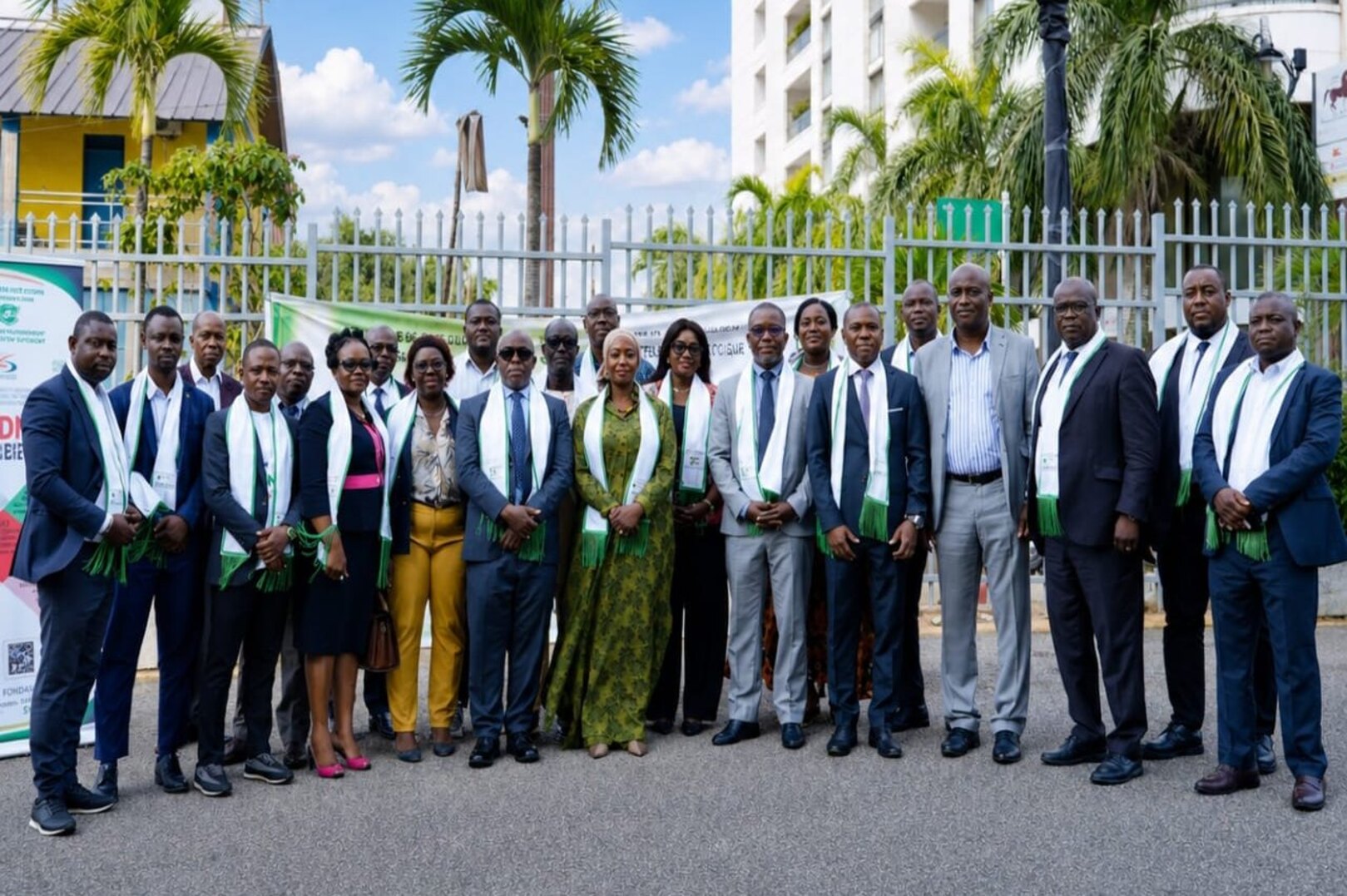
Ms. Indira Yanni-Domingo, Deputy Chief of Staff representing Minister Abou Bamba, chaired the endorsement workshop for the 2025 update of the National Implementation Plan (NIP) under the Stockholm Convention on Monday, June 1, 2026, in Abidjan-Plateau.
The meeting was held as part of Côte d’Ivoire’s commitments following its ratification of the Stockholm Convention on Persistent Organic Pollutants (POPs) in 2004. These chemical substances, considered among the most hazardous to the environment and human health, include certain pesticides, industrial chemicals, and by-products generated during manufacturing processes.
Their toxicity, resistance to degradation, and ability to accumulate in living organisms make them a major threat to ecosystems. Prolonged exposure can cause neurological disorders, endocrine disruption, reproductive health problems, and weakened immune systems.
According to the Deputy Chief of Staff, the implementation of the Convention in Côte d’Ivoire has already led to significant progress, particularly in the management of Polybrominated Diphenyl Ethers (PBDEs) found in end-of-life vehicles and waste electrical and electronic equipment.
However, significant challenges remain. The list of substances covered by the Convention increased from 28 to 34 chemicals between the first and second updates of the National Implementation Plan (2016 and 2025), requiring strengthened monitoring, management, and elimination efforts.
Ms. Indira Yanni-Domingo commended the work carried out by all stakeholders involved in preparing the updated document. She noted that the revision identified several strategic priorities, including the elimination of approximately 1,000 tonnes of Polychlorinated Biphenyls (PCBs) by 2028 and the sustainable management of nearly 2,500 tonnes of empty pesticide containers generated annually.
To achieve these objectives, the action plan provides for a total investment of more than CFA 8.2 billion over a five-year period. Priority will be given to the disposal of obsolete chemical stockpiles, the treatment of pesticide waste, and the reduction of exposure risks among the most vulnerable populations, particularly children and mothers.
For stakeholders, the endorsement of this updated document marks a decisive step in the implementation of the country’s environmental commitments. Supported by the new Environmental Code adopted in 2023, the initiative reflects the government's determination to intensify efforts to preserve natural resources and ensure a healthy environment for present and future generations.
The updated National Implementation Plan was presented by Dr. Djé Konan Anicet, National Focal Point of the Stockholm Convention and Regional Focal Point for the National Implementation Plan.