

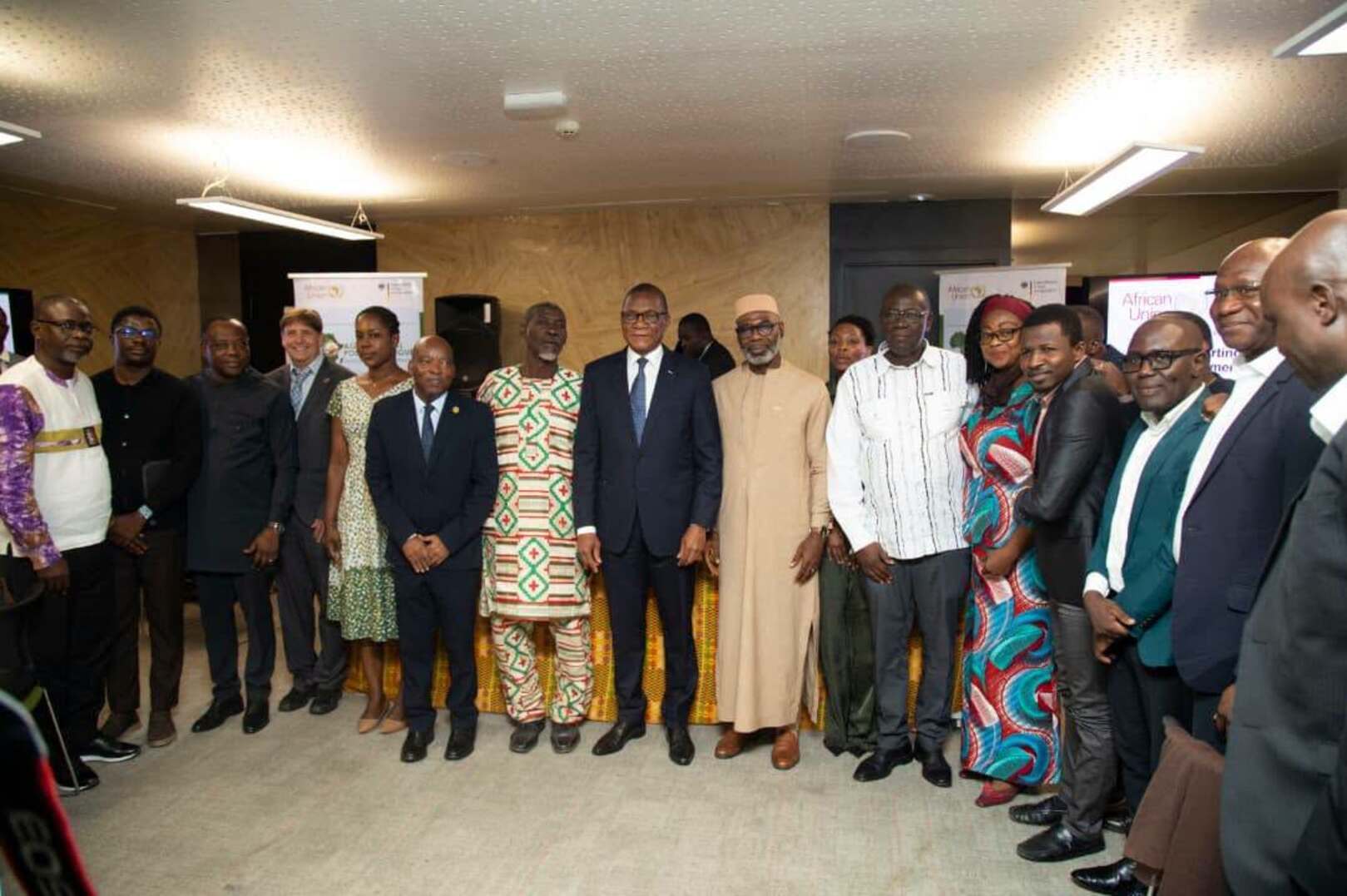
Côte d’Ivoire and the African Union are strengthening cooperation to accelerate the transformation of the country's agricultural sector and advance food sovereignty, as African governments seek to reduce dependence on food imports and build more resilient food systems.
The discussions concluded on Wednesday, November 25, 2026, in Abidjan, following high-level working sessions of the African Union Commission on the implementation of the Kampala Declaration in Côte d’Ivoire.
The closing session was chaired by Agriculture Minister Bruno Nabagné Koné, alongside Moses Vilakati, the African Union Commissioner for Agriculture, Rural Development, Blue Economy and Sustainable Environment.
The recommendations emerging from the discussions focus on improving agricultural productivity, restoring soil fertility, modernizing agricultural value chains, strengthening governance and mobilizing financing for the sector.
The objective is to align Côte d’Ivoire's agricultural policies with the African Union's continental ambition of achieving more resilient and sustainable food systems by 2035.
Adopted by African Union member states in January 2025 in Kampala, Uganda, the Kampala Declaration provides the framework for the Comprehensive Africa Agriculture Development Programme (CAADP) Strategy and Action Plan for 2026-2035.
The strategy sets ambitious targets, including increasing Africa's agrifood production by 45%, reducing post-harvest losses by 50% and tripling intra-African trade in agricultural commodities and products.
It also aims to mobilize $100 billion in investment to transform the continent's agrifood systems.
For Côte d’Ivoire, implementing these commitments will require improvements in agricultural productivity, better access to financing, stronger rural infrastructure and greater investment in local processing.
During the discussions, Bruno Nabagné Koné reaffirmed the government's agricultural priorities, including food sovereignty, modernization of production systems, access to financing, protection of rural land and climate resilience.
The minister also called for increased technical support from the African Union and the mobilization of financial resources for the country's third-generation National Agricultural Investment Programme (PNIA 3).
Launched in June 2026, PNIA 3 is intended to guide agricultural investment and support the modernization of the Ivorian agricultural sector. Its priorities include improving productivity, promoting local processing, creating employment and strengthening the resilience of farming systems.
Moses Vilakati welcomed the progress made by Côte d’Ivoire and stressed the importance of stronger coordination between public institutions and private-sector stakeholders to achieve the objectives of the Kampala Declaration.
Agriculture remains central to economic development, employment and food security across Africa. However, low productivity, limited access to agricultural financing, climate pressures, inadequate storage infrastructure and post-harvest losses continue to constrain the sector.
For Côte d’Ivoire, one of West Africa's major agricultural producers, the challenge is not only to increase production but also to strengthen domestic food supply chains, improve farmers' incomes and reduce vulnerability to external supply disruptions.
The cooperation with the African Union is therefore intended to translate continental commitments into concrete national programmes and investments.
The 2035 target will ultimately depend on the ability of governments, agricultural producers, private companies and development partners to turn these policy commitments into measurable improvements in food production and access.