

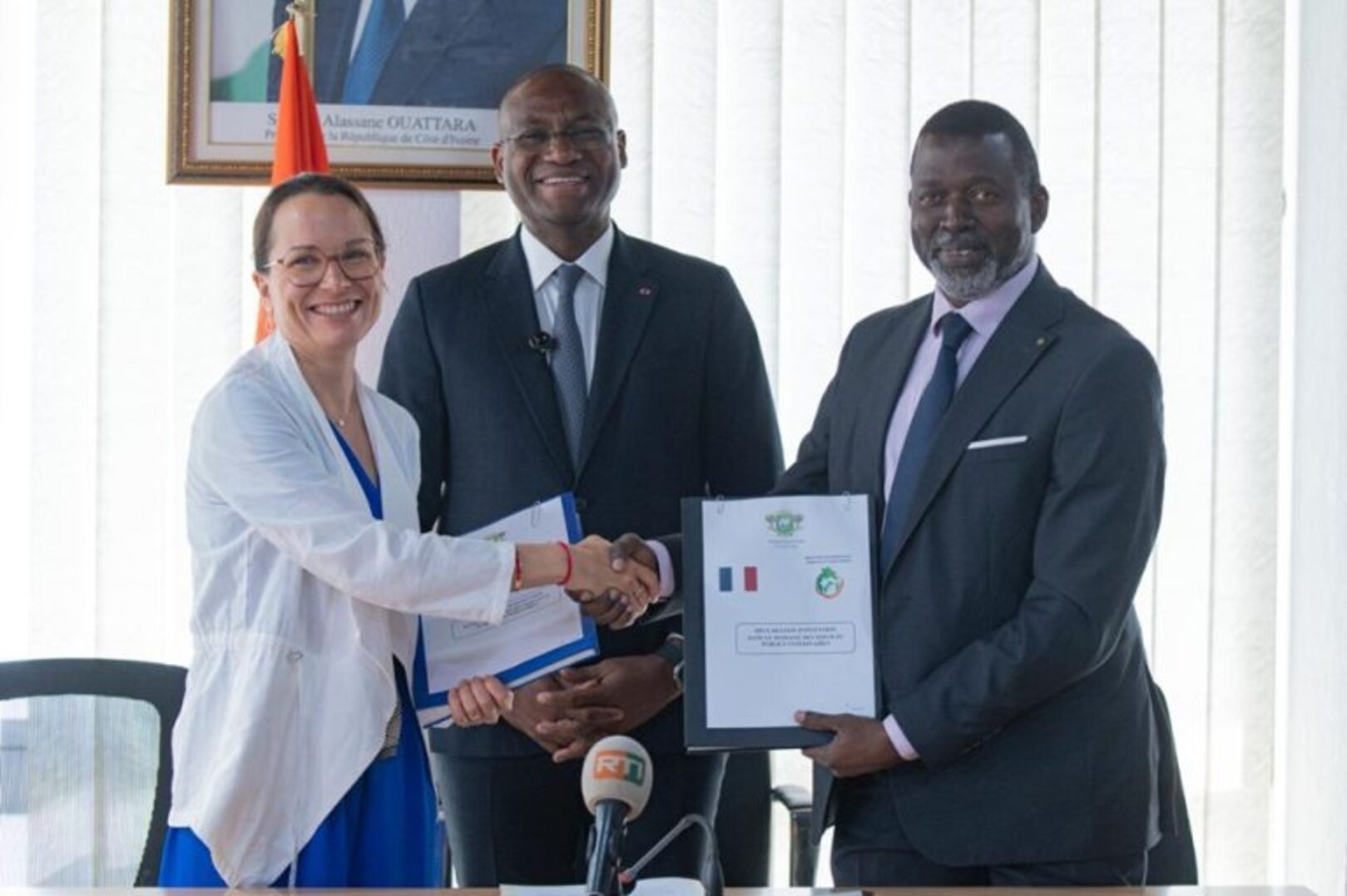
Côte d’Ivoire and France are reinforcing their long-standing cooperation in public veterinary health, focusing on animal disease surveillance, food safety and the prevention of zoonotic diseases, according to officials and sector developments.
The collaboration reflects a broader “One Health” approach, which integrates human, animal and environmental health systems to improve disease prevention and public health outcomes across the country.
Over the years, the partnership between the two countries has included technical assistance, capacity building for veterinary services, scientific exchanges and joint efforts to strengthen laboratory systems and epidemiological surveillance networks.
French institutions have supported various initiatives in Côte d’Ivoire aimed at improving veterinary public health governance, including training programs for veterinarians on biosecurity, animal welfare and the control of transboundary animal diseases.
The cooperation also aligns with Côte d’Ivoire’s national strategy to modernize its veterinary infrastructure and strengthen its ability to respond to zoonotic risks, which remain a key concern in West Africa due to the close interaction between livestock, wildlife and human populations.
Recent efforts in the country have focused on reinforcing disease monitoring systems, improving emergency response capacities and enhancing coordination between human and animal health services under the One Health framework.
Authorities in Abidjan have also invested in new veterinary public health infrastructure, including modern diagnostic and surveillance facilities, as part of a broader push to strengthen food safety and animal health systems nationwide.
Experts say that international partnerships, including with France, remain crucial for building technical expertise and supporting sustainable improvements in veterinary public health, particularly in areas such as epidemiological surveillance, laboratory diagnostics and training of specialized personnel.
The renewed cooperation underscores both countries’ commitment to strengthening health security, improving food safety standards and reducing the risk of animal-borne diseases that could impact both public health and the economy.