

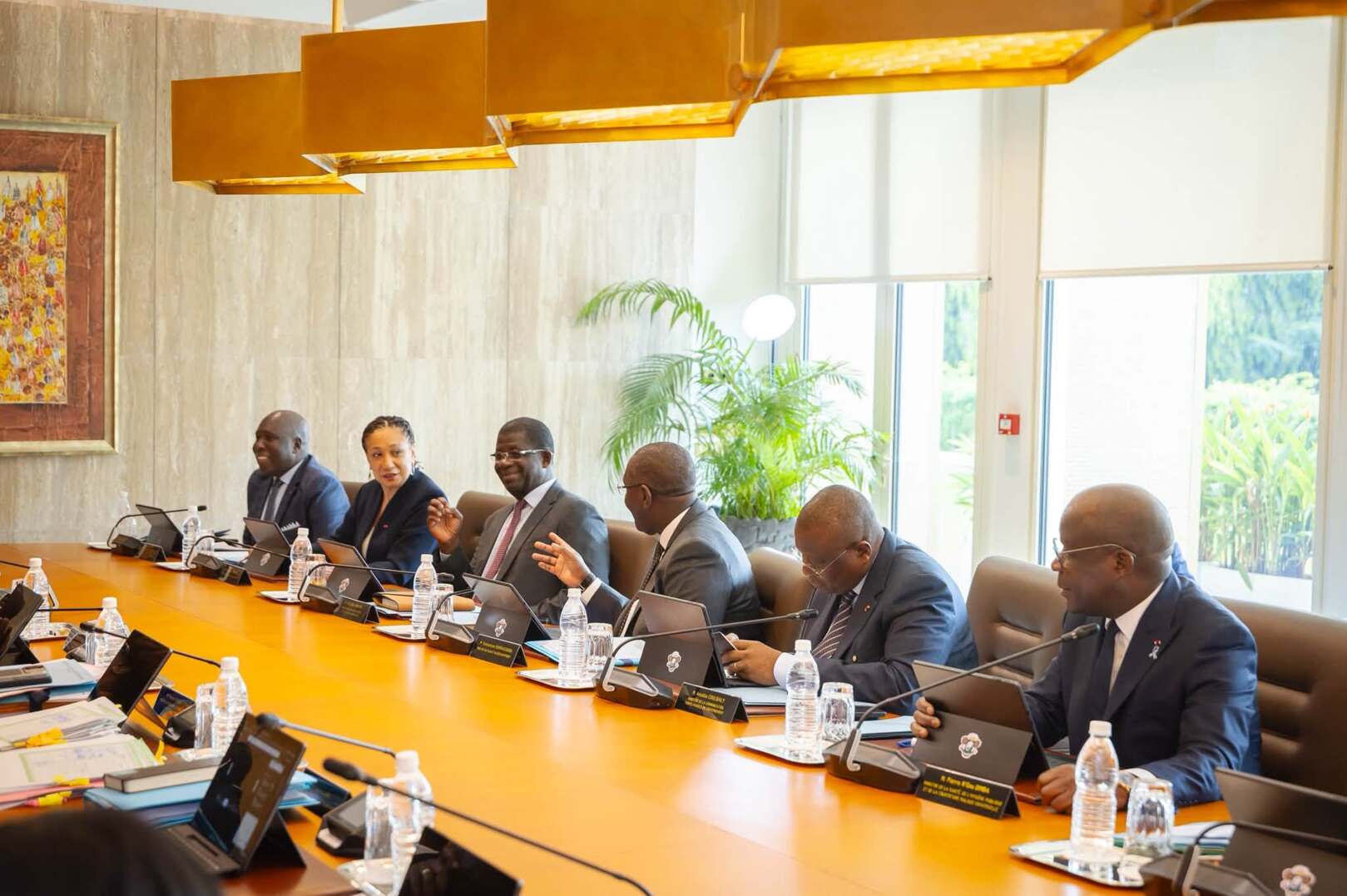
The Council of Ministers adopted a decree on November 25, 2026, establishing the National Institute of Cancer and Medical Oncology of Grand-Bassam (INCOM) as a national public hospital institution, according to an official government statement released the following day.
The planned facility will occupy five hectares and have a capacity of 200 beds, six operating theatres and specialised infrastructure for cancer treatment. Its equipment is expected to include radiotherapy bunkers built to international standards, a nuclear medicine unit, a positron emission tomography scanner (PET scan) and a magnetic resonance imaging (MRI) machine.
INCOM is expected to provide comprehensive cancer care through radiotherapy, radiology and medical oncology, while also conducting research into cancer treatment.
It will complement two existing specialised institutions: the Alassane Ouattara National Medical Oncology and Radiotherapy Centre (CNRAO), established in 2018, and the Abidjan Institute of Nuclear Medicine, established in 2020.
The CNRAO, located within the Cocody University Hospital, was the country's first national radiotherapy centre. It was designed to accommodate between 160 and 200 patients daily.
The announcement comes as cancer remains a major health challenge in Côte d’Ivoire. According to estimates from the World Health Organization's International Agency for Research on Cancer (IARC), the country recorded approximately 20,402 new cancer cases and 12,710 cancer-related deaths in 2024.
Breast, prostate and cervical cancers were among the most frequently diagnosed forms of the disease.
The creation of INCOM marks a further step in the government's efforts to expand specialised healthcare infrastructure and improve access to advanced diagnostic and treatment services.
However, the decree establishes the institution; the government announcement does not specify a construction timetable or an opening date. The institute's actual impact will therefore depend on the completion of the facility, the availability of specialised medical staff and the deployment of its equipment.