

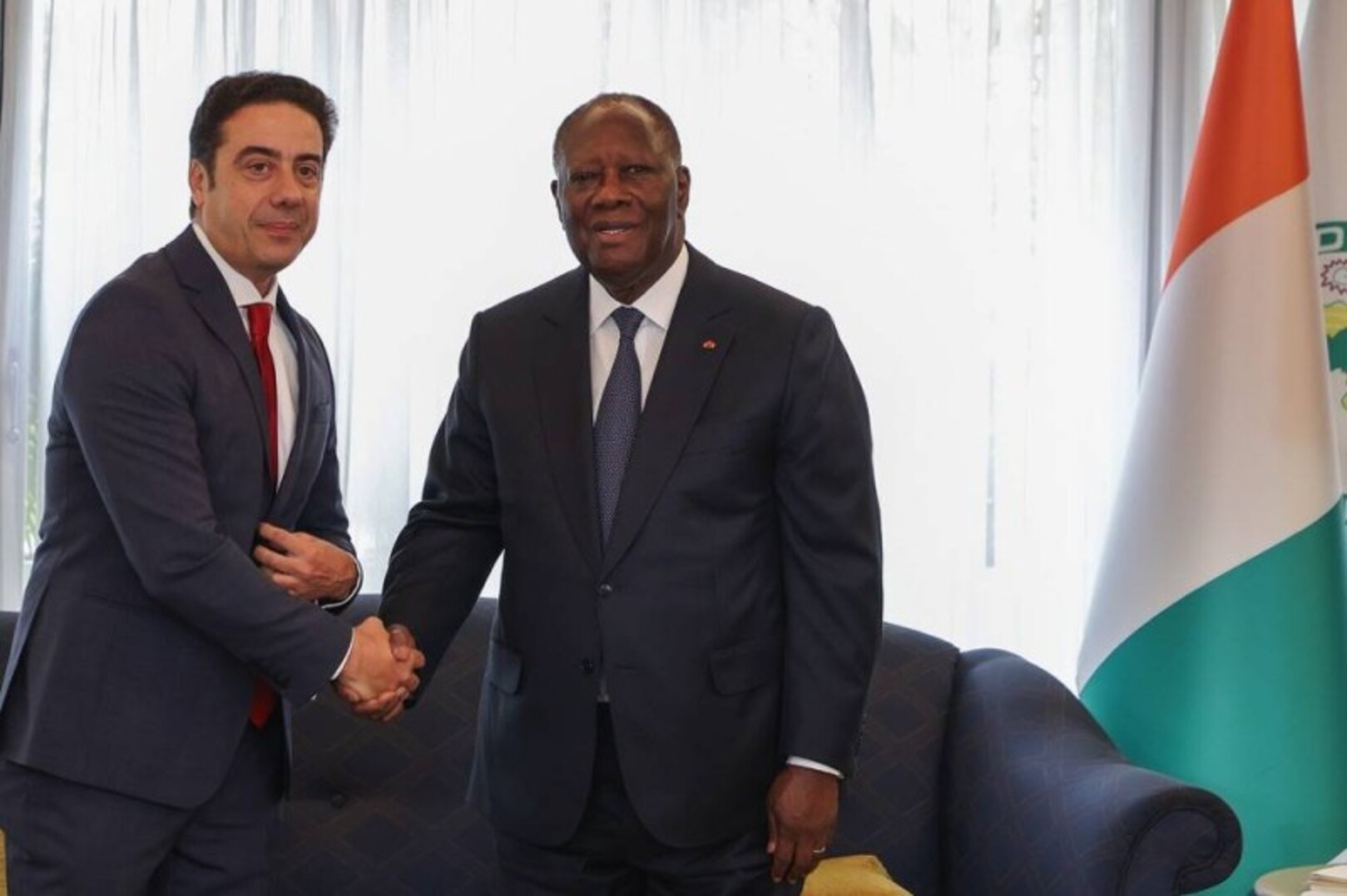
With strong cooperation in peace, security, and African integration, the relationship between Côte d’Ivoire and Egypt is strengthening. In this interview, Egypt’s Ambassador to Côte d’Ivoire, H.E. Sherif Magdy Rashad Seif, discusses the prospects for deepening this partnership and diversifying exchanges between the two countries.
Journalist: How would you describe the current state of bilateral relations between Cairo and Abidjan?
Ambassador: Our diplomatic relations are excellent and continuously improving, characterized by regular political dialogue based on African solidarity and non-interference. Between 2022 and 2025, we held three sessions of bilateral political consultations and signed a mutual visa exemption agreement for certain passports. Parliamentary exchanges and high-level visits demonstrate the vitality of this partnership.
Journalist: How would you describe the current state of bilateral relations between Cairo and Abidjan? What are your priorities for 2026?
Ambassador: My priorities for this year focus on consolidating and expanding existing agreements. We are preparing the next session of bilateral political consultations, aiming to increase economic exchanges, facilitate new trade missions, and organize a business forum. We also plan to strengthen cooperation in key sectors such as health, infrastructure, and agro-industry.
Journalist: Egypt and Côte d’Ivoire are key players in the African Union. How do the two countries collaborate to address peace and security challenges, especially given instability in the Sahel-Saharan region?
Ambassador: Our countries maintain close cooperation in peace and security. Egypt has shared its counterterrorism expertise with Côte d’Ivoire, which actively participates in training programs of the Egyptian Agency for Development Cooperation. We coordinate closely within the African Union and support each other in international electoral positions and in sensitive dossiers, such as Somalia, where Côte d’Ivoire plays a crucial role.
Journalist: Are there projects for sharing expertise between Egyptian and Ivorian administrations?
Ambassador: Absolutely. Expertise sharing is a cornerstone of our cooperation. Training programs are regularly offered to Ivorian officials in diplomacy, administrative modernization, urban management, digital governance, and institutional reform. These exchanges occur through study visits, seminars, and hosting experts.
Journalist: What is the current state of trade between Egypt and Côte d’Ivoire?
Ambassador: Bilateral trade is growing strongly. In 2024, it reached nearly USD 300 million. Côte d’Ivoire mainly exports wood and fruits, while Egypt supplies equipment, cement, steel items, and plastics. Our shared goal is to continue this growth and diversify traded products.
Journalist: What are the main obstacles to trade, and how do you plan to double or triple exchanges in the next five years?
Ambassador: Key obstacles include Côte d’Ivoire’s absence from tariff exemption lists under the AfCFTA and limited market knowledge and business connections. We recommend increasing specialized trade missions, B2B forums, sectoral webinars, simplifying administrative and customs procedures, and actively promoting investment opportunities.
Journalist: How does Egypt plan to facilitate trade with Côte d’Ivoire under the AfCFTA?
Ambassador: Egypt advocates for effective integration of all member states, including Côte d’Ivoire. We encourage our companies to use AfCFTA protocols and share our experience with rules of origin and compliance procedures.
Journalist: Which new sectors are Egyptian investors exploring in Côte d’Ivoire?
Ambassador: Beyond infrastructure and electricity, investors are keen on agro-industry and food processing, especially cocoa. We also plan projects in health and pharmaceuticals to localize drug production, as well as in digital technologies, ICT, and renewable energy.
Journalist: Which Ivorian products does Egypt want to import more of, and which Egyptian products could meet Ivorian demand?
Ambassador: We want to significantly increase cocoa imports and diversify into other processed agricultural products, fruits, and sawn wood. Egypt can supply construction materials, equipment, pharmaceuticals, processed foods, consumer goods, and services in tourism, health, and education.
Journalist: Do you plan to increase scholarships or partnerships between universities?
Ambassador: Yes. Education is a priority. We are working to increase scholarships for Ivorian students and facilitate exchange programs with Egyptian universities.
Journalist: What role does Al-Azhar play in training Ivorian imams and promoting a peaceful, tolerant Islam?
Ambassador: Al-Azhar plays a fundamental role. It trains many Ivorian students and imams, providing in-depth religious knowledge and promoting values of peace, interfaith dialogue, and coexistence.
Journalist: Are there cultural or film projects planned in Abidjan?
Ambassador: Yes. Cultural cooperation is already active. Egyptian filmmakers and experts have conducted training workshops in Côte d’Ivoire. We are also planning film screenings and inviting Ivorian artists to participate in festivals in Egypt.
Journalist: Does Egypt share its experience in building new cities with Côte d’Ivoire for urban development in Abidjan or Yamoussoukro?
Ambassador: Yes. Egypt’s experience in planning and building sustainable new cities, like the New Administrative Capital, is an asset we are ready to share. This includes technical exchanges, feasibility studies, and participation of Egyptian companies in major urban infrastructure projects.
Journalist: Is medical cooperation planned to strengthen Côte d’Ivoire’s health system?
Ambassador: Yes. Medical cooperation is a priority. Egypt has pioneered successful hepatitis C eradication programs, which we are eager to share with Côte d’Ivoire through screening, treatment, training, and technology transfer initiatives.
Journalist: What has impressed or surprised you most about Ivorian culture since your arrival?
Ambassador: I am most struck by the incredible dynamism and optimism of the Ivorian people, their rich and harmonious culture, and their ability to celebrate life while preserving traditions and remaining open to the world.