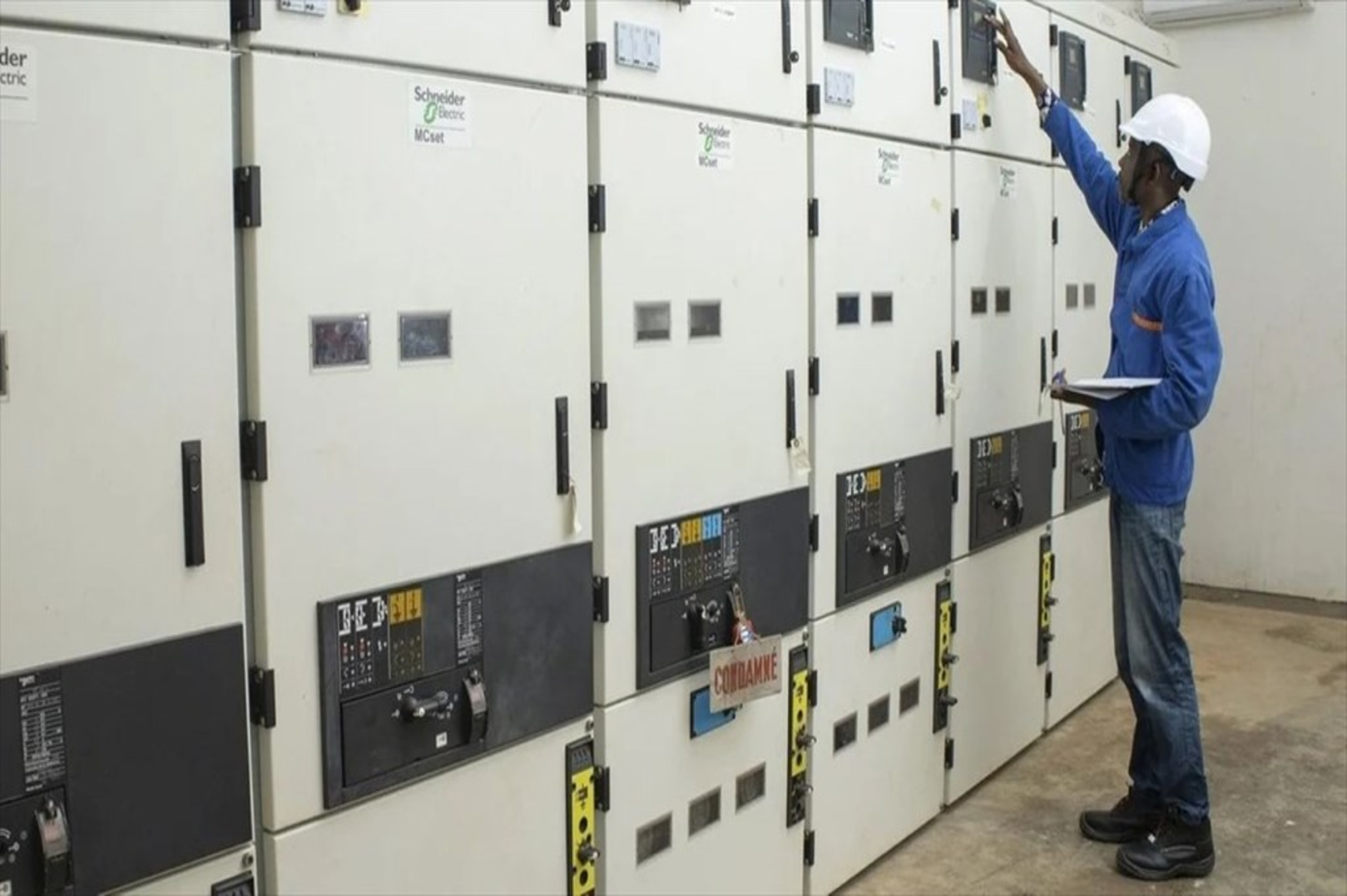
The African Development Bank Group (AfDB) has approved a loan of 80 billion CFA francs ($144.34 million) to Niger to support energy sector reforms, improve the business environment and strengthen public financial management.
The financing was approved by the bank’s Board of Directors on October 21, 2026, in Abidjan. It will support the second phase of the Energy Sector Governance and Competitiveness Support Programme, known as PAGSEC-II.
The loan comprises $123.72 million from the African Development Fund, the bank’s concessional financing arm, and $20.62 million from the Transition Support Facility, which assists member countries facing transition-related challenges.
A key objective of the programme is to improve governance in Niger’s energy sector and advance regulatory reforms. The AfDB plans to support the implementation of the country’s new Electricity Code and the adoption of regulations governing decentralised rural electrification.
These measures are intended to encourage electricity access in underserved areas through solutions such as mini-grids and individual power systems. The programme also provides for the establishment of a body dedicated to promoting renewable energy.
Niger has already updated its energy policy, developed a least-cost electricity generation plan and established an energy information system. The country is also participating in Mission 300, an initiative aimed at expanding electricity access across Africa.
Beyond the energy sector, the financing seeks to improve the competitiveness of Niger’s private sector. The programme includes continued efforts to clear domestic government payment arrears in line with a plan established by the authorities.
Settling outstanding public payments could help improve cash flow for businesses supplying goods and services to the state, ease financial pressures and support the continuity of their operations.
The AfDB also intends to promote community-based entrepreneurship and industrial development through the operationalisation of the Agency for the Promotion of Popular Shareholding for Community Entrepreneurship (APAPEC-NIGER).
The initiative is designed to encourage citizens to participate in economic activities, particularly in strategic sectors. The programme also builds on reforms involving small and medium-sized enterprises, the Investment Code and dialogue between the government and the private sector.
The programme also aims to improve public financial management and strengthen mechanisms for monitoring government expenditure.
According to the AfDB, the Court of Auditors and the Public Procurement Regulatory Authority are now fully operational following institutional disruptions after the July 2023 events.
The programme will also maintain dialogue with the authorities on social priorities, including access to water and sanitation and assistance for communities affected by disasters and insecurity.
The AfDB expects the second phase of the programme to strengthen Niger’s economic resilience to various shocks and improve conditions for business development.
However, approval of the loan alone does not guarantee immediate improvements in electricity access or business finances. Results will depend on the effective implementation of reforms, enforcement of regulations and the fulfilment of commitments by the authorities.
The main challenge will be to translate the financing into measurable improvements for households, businesses and the country’s public finances.