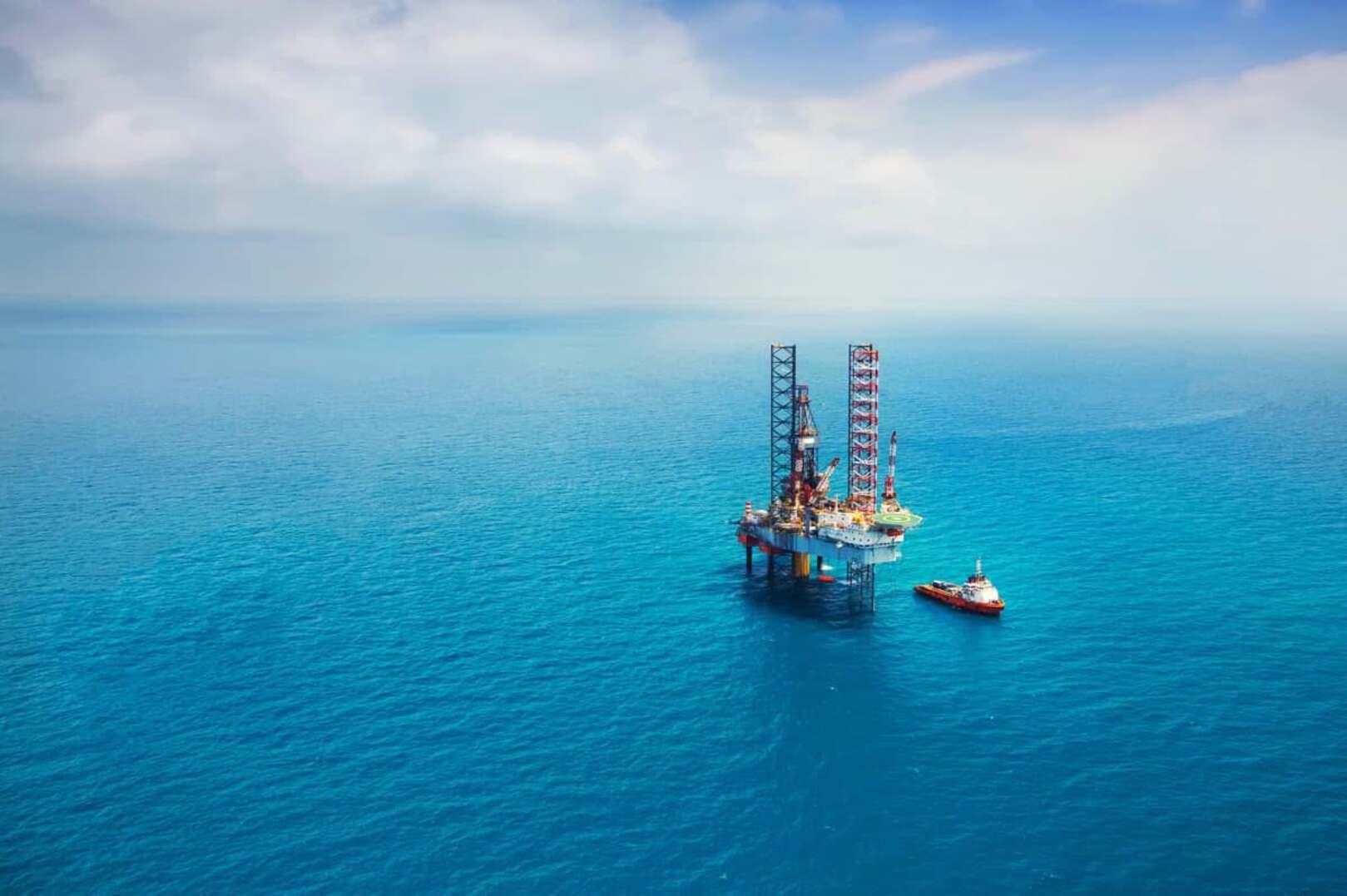
Liberia has launched a new round of direct negotiations for offshore oil exploration licences, offering 29 blocks in the Liberia and Harper basins as the West African country seeks to attract investment and develop its untapped petroleum potential.
The licensing round was launched on October 14 in Cape Town, South Africa, during African Energy Week, according to industry reports.
The initiative aims to attract international oil companies willing to finance exploration in a country that has yet to establish commercial oil production and relies on imports to meet its petroleum needs.
Liberia is seeking to build investor interest by providing access to geological and seismic data covering its offshore basins. The information is intended to help companies assess potential hydrocarbon resources and identify areas for further exploration.
Despite decades of exploration, Liberia has not established commercially viable oil reserves. Its offshore prospects have attracted interest partly because of geological similarities with neighbouring Côte d’Ivoire, which produces oil and gas. However, those similarities do not guarantee that commercially recoverable deposits will be found in Liberian waters.
The country has previously attracted international operators. TotalEnergies and Nigeria’s Oranto Petroleum secured four blocks each during an earlier licensing round, according to industry reports.
The latest initiative comes as several African countries seek to attract energy investment amid changing global demand and competition for exploration capital. For Liberia, the challenge will be to turn geological potential into discoveries that can support future production.
Even if exploration companies identify promising deposits, further drilling, commercial assessments and development investment would be required before Liberia could begin producing oil.
The launch of the licensing round therefore marks another attempt by Monrovia to establish a foothold in the regional petroleum industry, although the timing and scale of any future production remain uncertain.