Côte d’Ivoire looks to diversify revenue from rubber industry
Côte d’Ivoire is seeking to generate more value from its rubber industry by developing new sources of revenue beyond natural rubber production, as the country looks to strengthen the incomes of farmers and expand the sector’s economic potential.
The West African country is Africa’s leading producer and the world’s third-largest producer of natural rubber. In 2025, Côte d’Ivoire produced about 1.93 million tonnes of dry natural rubber, according to figures from the Federation of Professional Agricultural Organizations of Rubber Producers in Côte d’Ivoire (FPH-CI), cited by the Ivorian Press Agency.
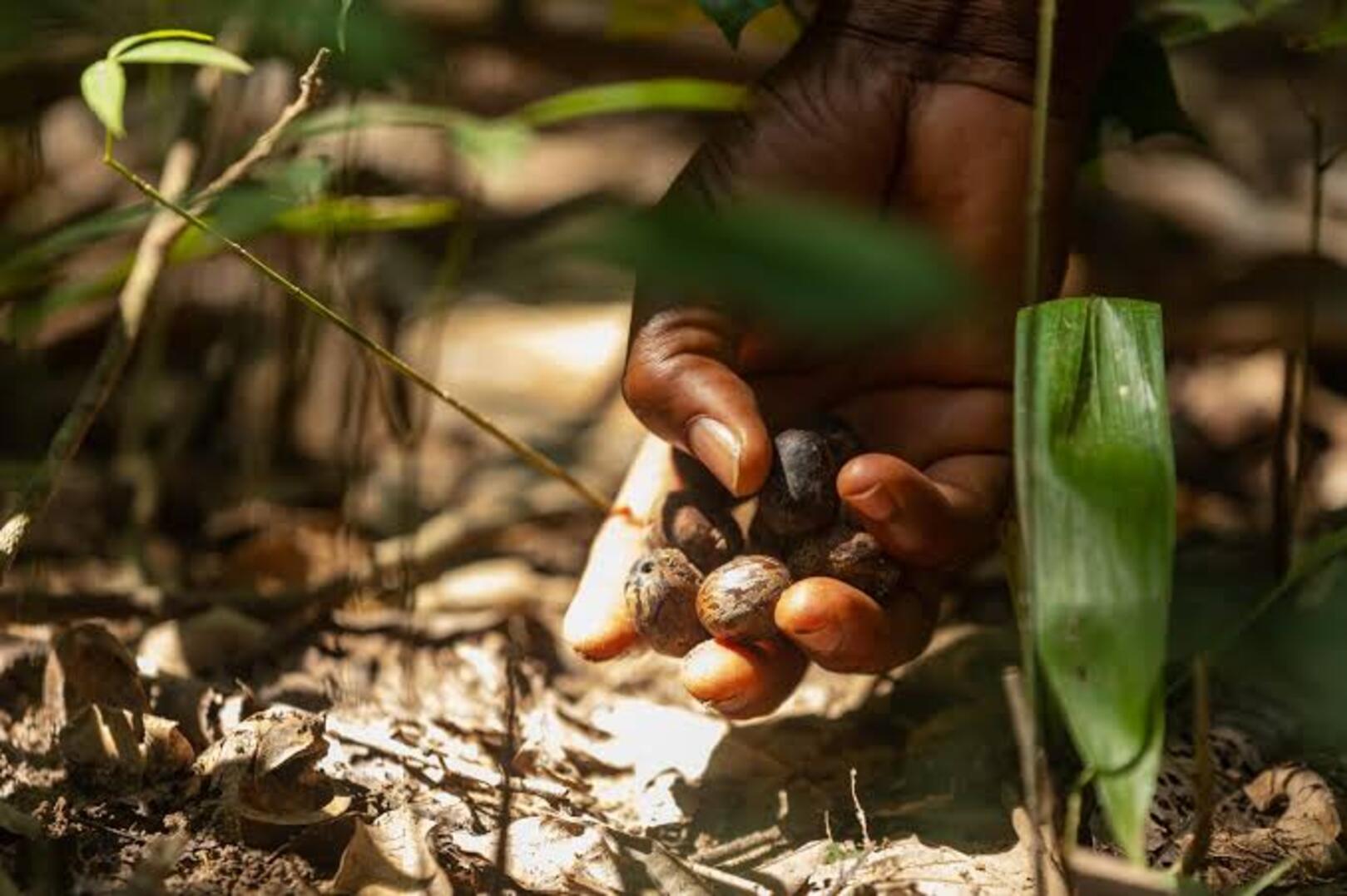
The industry is now turning its attention to products that have traditionally received less economic value, particularly rubber seeds and wood from plantations that have reached the end of their production cycle.
Rubber seeds are emerging as an additional source of income for producers. They can be used for the production of planting material and have also attracted interest for potential applications such as oil production and other industrial uses.
The sector is also seeking to develop the market for rubber wood. Once rubber trees reach the end of their productive life, they are normally removed to allow plantations to be renewed. Their wood can instead be recovered and used in furniture, plywood and other products, creating an additional source of revenue while supporting the renewal of plantations.
The diversification strategy comes as Côte d’Ivoire is also seeking to improve the share of revenue received by rubber farmers. For the 2026 campaign, the proportion allocated to producers was raised from 63% to 66% of the reference price, while a previous deduction of 2 CFA francs per kilogram was removed, according to the Ivorian Press Agency.
The changes are significant for a sector that supports more than one million people across the country, including rubber farmers and workers involved in tapping and processing.
For the industry, the objective is increasingly to make better use of the entire rubber tree: latex for natural rubber, seeds for additional commercial uses and old trees for timber.
Côte d’Ivoire is therefore seeking to move beyond a model based mainly on the production of raw material and build a more integrated value chain around rubber.
If investment in processing and new markets continues to grow, the diversification of rubber-related products could provide farmers with additional income while creating new opportunities for local industries.
For Côte d’Ivoire, the strategy is increasingly about extracting more value from every part of the rubber tree.