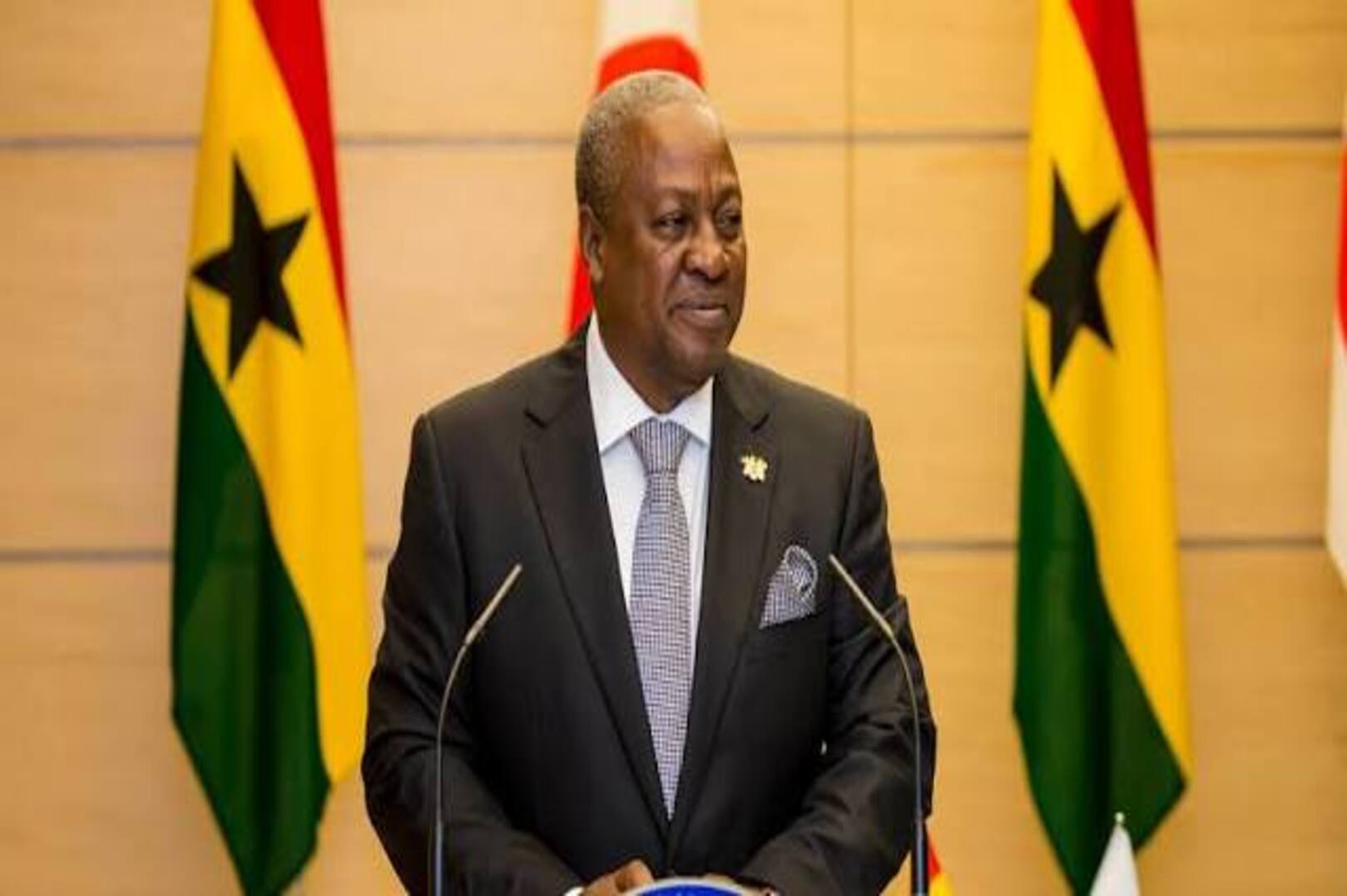
Ghana’s government has backed a proposal to extend the presidential mandate from four to five years, following recommendations from the country’s Constitutional Review Commission, as part of a broader effort to reform the political system.
The commission argued that the current four-year presidential term leaves governments with “a little over two years” of effective governing time, with the first six months often dedicated to appointments and the final year focused on election preparations. According to the body, extending the mandate to five years would provide governments with more time to implement policies and strengthen democratic accountability.
President John Mahama’s government has accepted the recommendation to introduce a five-year presidential term. However, it has rejected the commission’s proposal to lower the minimum age for presidential candidates to 30 years, opting instead for a reduction from the current threshold of 40 years to 35 years.
The proposed reforms would also extend the term of members of parliament from four to five years, aligning legislative and presidential election cycles.
The constitutional changes will be put to a referendum expected next year. For the vote to be valid, at least 40% of registered voters must participate, and the proposal must receive approval from at least 75% of those who cast their ballots.
The reforms are part of Ghana’s broader review of its constitutional framework, aimed at improving governance, strengthening institutions and adapting the country’s political system to current challenges.

