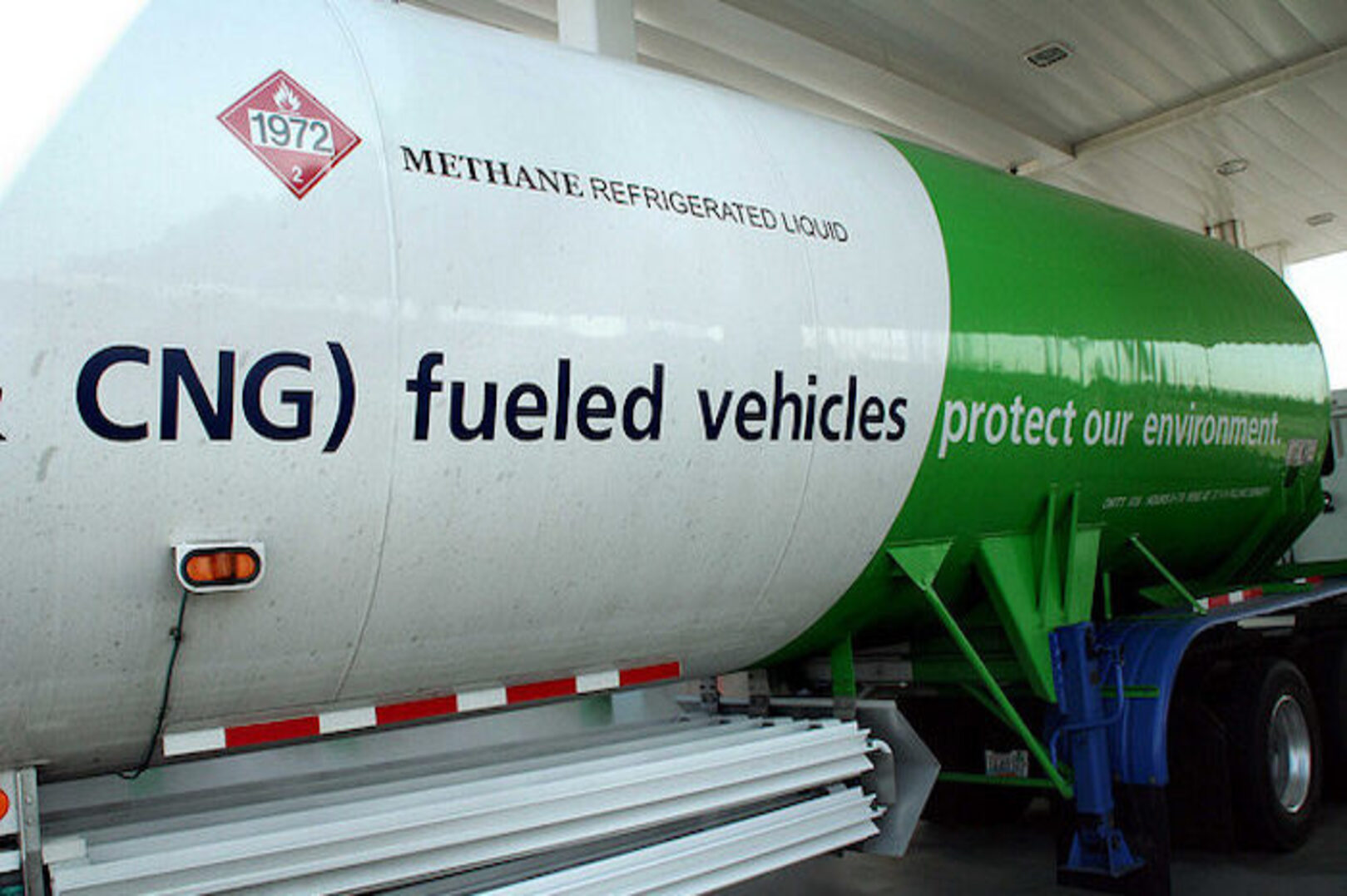
The Nigerian government is considering measures to accelerate the shift of commercial vehicles away from petrol and diesel towards compressed natural gas (CNG) and electric power, as authorities seek to reduce transportation costs following the removal of fuel subsidies.
Ismaeel Ahmed, Executive Chairman of the Presidential Initiative on Compressed Natural Gas and Electric Vehicles (Pi-CNG & EV), said the government should consider making the transition mandatory for commercial vehicles. He made the proposal during an interview with Arise News on October 6, arguing that the programme had moved beyond testing the technology and was now focused on expanding it nationwide.
Nigeria has about 12 million vehicles, with commercial vehicles estimated to account for 55% to 60% of the total, according to Ahmed. The Pi-CNG & EV programme says more than 120,000 vehicles have already been converted, while the country now has more than 400 certified conversion centres and around 90 to 96 CNG refuelling stations.
Ahmed said operators could save between 60% and 70% on fuel costs by using CNG instead of petrol in some cases, but argued that part of those savings should be passed on to passengers through lower fares. President Bola Tinubu has also called on states to use CNG and electric transport to reduce commuting costs, with some routes already reporting lower fares.
The proposed transition would nevertheless require a much larger infrastructure network. The federal government is expanding CNG conversion capacity and refuelling infrastructure, while targeting the conversion of one million commercial petrol vehicles to CNG by 2027. Safety is also a concern, with authorities urging motorists to use only certified conversion kits and accredited centres.
For now, the mandatory nationwide shift remains a proposal rather than an adopted federal requirement. Ahmed said the initiative would seek to persuade the government to establish such a policy as Nigeria expands its use of domestic natural gas and electric mobility.

