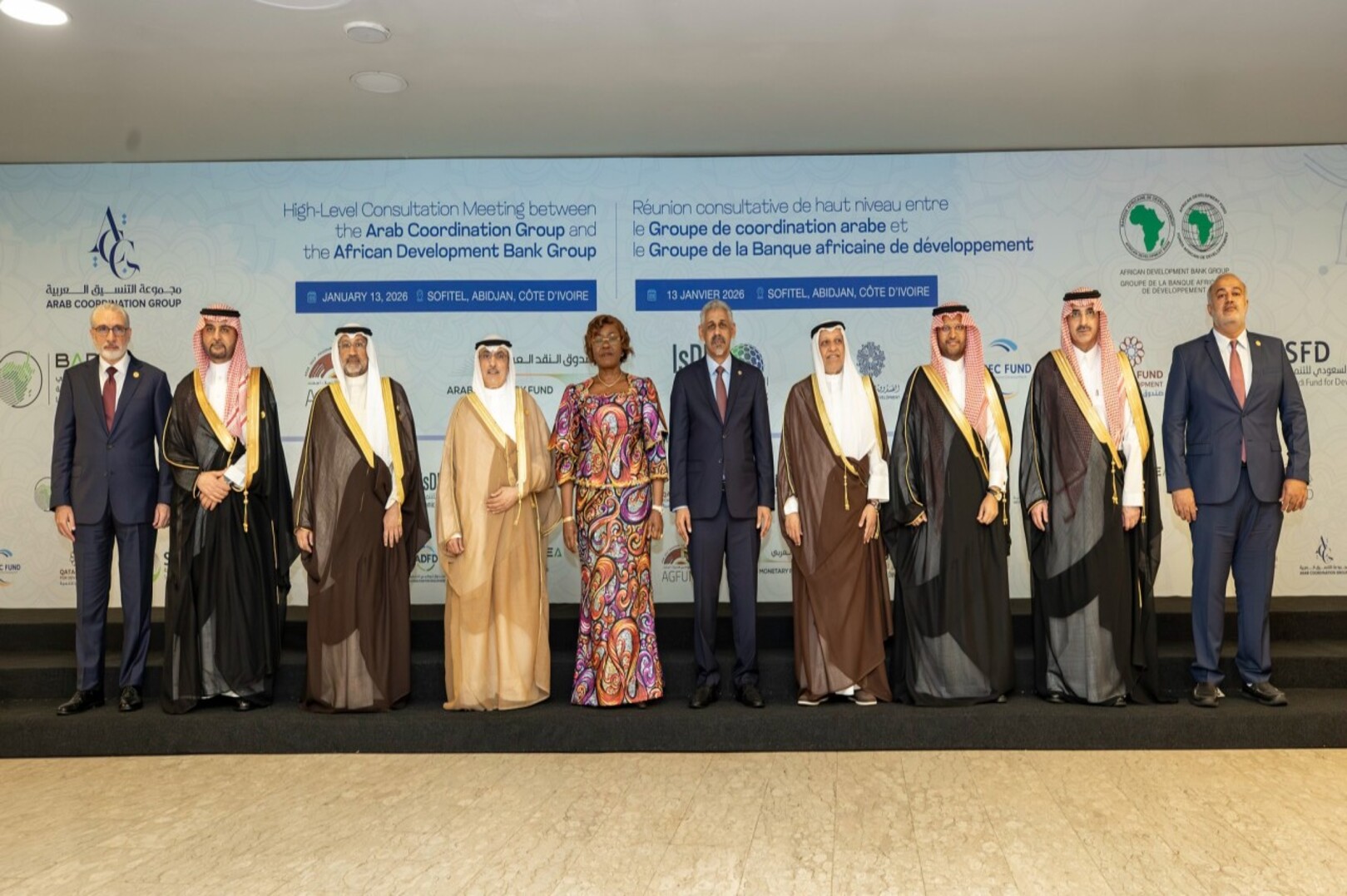
Africa at a financial turning point: building stronger markets for meaningful impact
As Africa faces growing development financing needs amid a challenging global economic environment, efforts are underway to reshape the continent’s financial architecture in order to mobilize capital more effectively and deliver tangible socio-economic impact.
On January 31, 2026, the African Development Bank Group (AfDB) published an article highlighting recent initiatives aimed at strengthening African financial markets and reducing the cost of capital for development projects across the continent. The communication emphasized collaboration among African financial institutions, policymakers and market actors to unlock long-term financing and stimulate sustainable growth.
At the center of these efforts is the promotion of a New African Financial Architecture, an initiative designed to improve coordination among regional and continental financial institutions. The objective is to create deeper, more efficient markets capable of attracting private investment while supporting national development priorities.
According to the AfDB, the initiative seeks to mobilize African capital at scale, strengthen regional financial institutions and improve access to affordable financing for governments and businesses. By reinforcing market infrastructure and cooperation, African institutions aim to reduce dependency on external funding and increase financial sovereignty.
Beyond institutional reforms, the Bank points to concrete projects that illustrate how market-based financing can translate into real-world impact. Among the examples cited are the development of a modern market in Yaoundé, Cameroon, intended to boost local commerce and employment, and water and sanitation infrastructure projects in Chad, aimed at improving access to safe water for communities.
The AfDB also underlines the strategic role of African capital markets in financing infrastructure, industry and agriculture. High-level discussions have recently been held to explore ways of mobilizing stock exchanges and domestic investors to close the continent’s significant financing gap. These discussions reflect a broader recognition that capital markets, if properly structured, can serve as powerful tools for economic transformation.
In parallel, Africa continues to attract growing interest from impact-oriented investors seeking both financial returns and positive social outcomes. Sectors such as renewable energy, water, health, and urban infrastructure are increasingly seen as areas where investment can generate measurable benefits for populations while supporting economic resilience.
The AfDB’s approach highlights a shift toward integrating financial performance with development outcomes. By aligning market momentum with social and economic priorities, African institutions aim to ensure that growth translates into job creation, improved living conditions and long-term stability.
As global financing conditions remain uncertain, these initiatives signal Africa’s ambition to take greater ownership of its development trajectory. Strengthening markets while delivering meaningful impact remains a central challenge, but one that African financial leaders view as essential for the continent’s future.