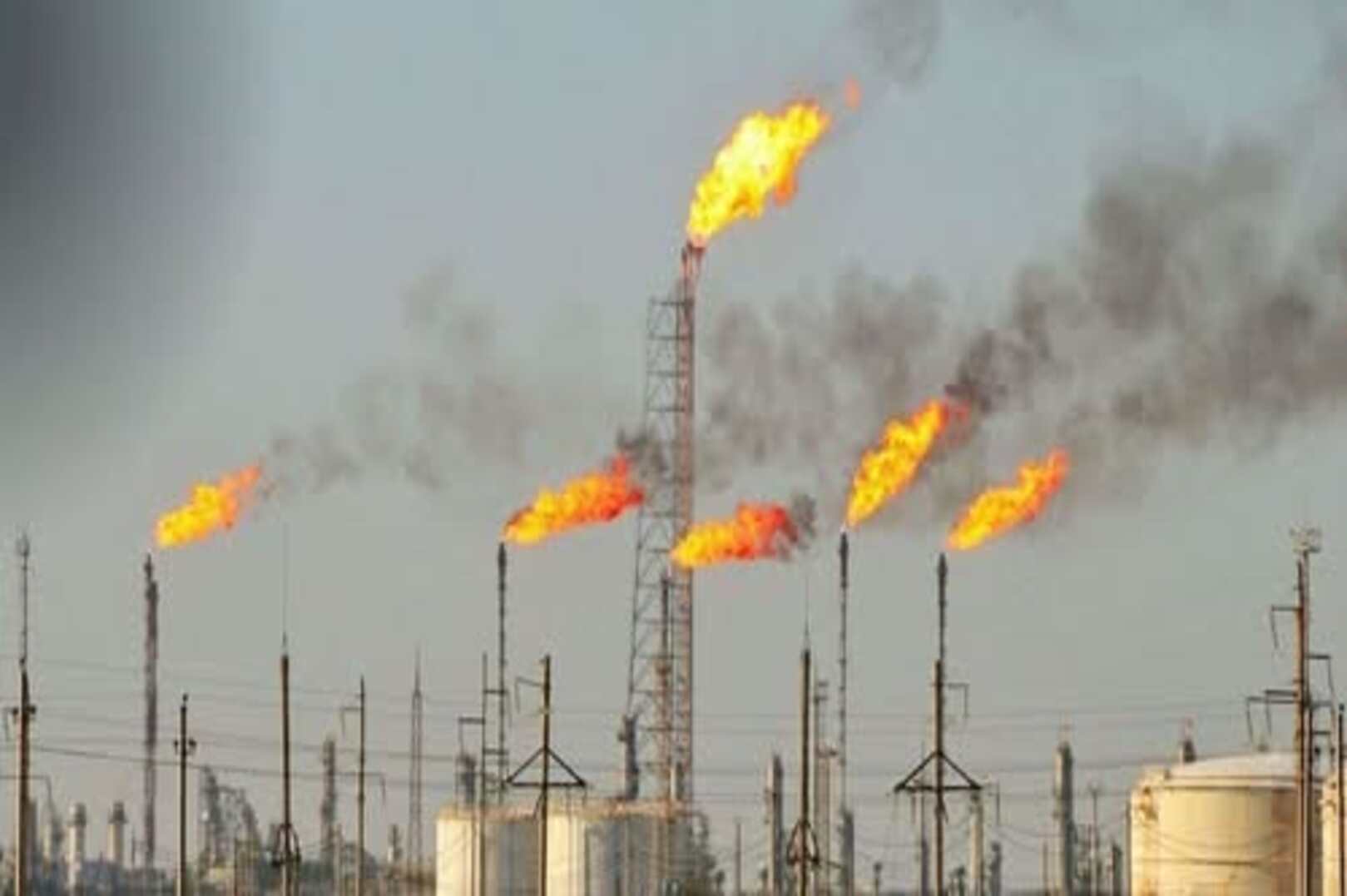
Nigeria Flares 204 Billion Cubic Feet of Gas in 2025 Despite High Utilization Rate
Nigeria flared nearly 204 billion standard cubic feet of natural gas in 2025, representing about 7.54% of its total gas production, despite a gas utilization rate exceeding 92%, according to data from the energy sector. The figures highlight ongoing structural challenges in gas management in Africa’s largest oil producer.
During 2025, Nigeria’s total natural gas production was estimated at approximately 2.7 trillion standard cubic feet, marking an increase compared with the previous year. This growth reflects a partial recovery in output and continued efforts to expand gas utilization, particularly for domestic power generation, industrial use, and liquefied natural gas (LNG) exports.
Available data indicate that more than 92% of the gas produced was put to use, pointing to improved absorption capacity within the Nigerian energy system and gradual progress in gas infrastructure development. Nevertheless, the volume of gas flared remained substantial. Gas flaring — the practice of burning associated gas during oil production when capture or transportation is unavailable — continues to occur across several oil fields in the country.
Industry stakeholders attribute the persistence of flaring to structural constraints, including limited gas gathering and transportation infrastructure, high capital costs for gas processing projects, and operational and security challenges in certain production areas. In addition, the overall increase in gas output has contributed to a rise in the absolute volume of gas flared, even as the relative share of flaring remains broadly stable.
From an environmental perspective, gas flaring is a significant source of greenhouse gas emissions and local air pollution. Nigerian authorities have repeatedly pledged to reduce flaring through regulatory reforms and targeted initiatives aimed at promoting gas commercialization. Projects designed to capture flared gas for electricity generation or industrial applications are underway, though implementation has been uneven.
At this stage, the 2025 data illustrate both the progress Nigeria has made in improving gas utilization and the limitations that continue to constrain the sector. Analysts note that sustained reductions in gas flaring will depend on increased investment, a stable regulatory environment, and improvements in security and operational conditions across the oil and gas industry.