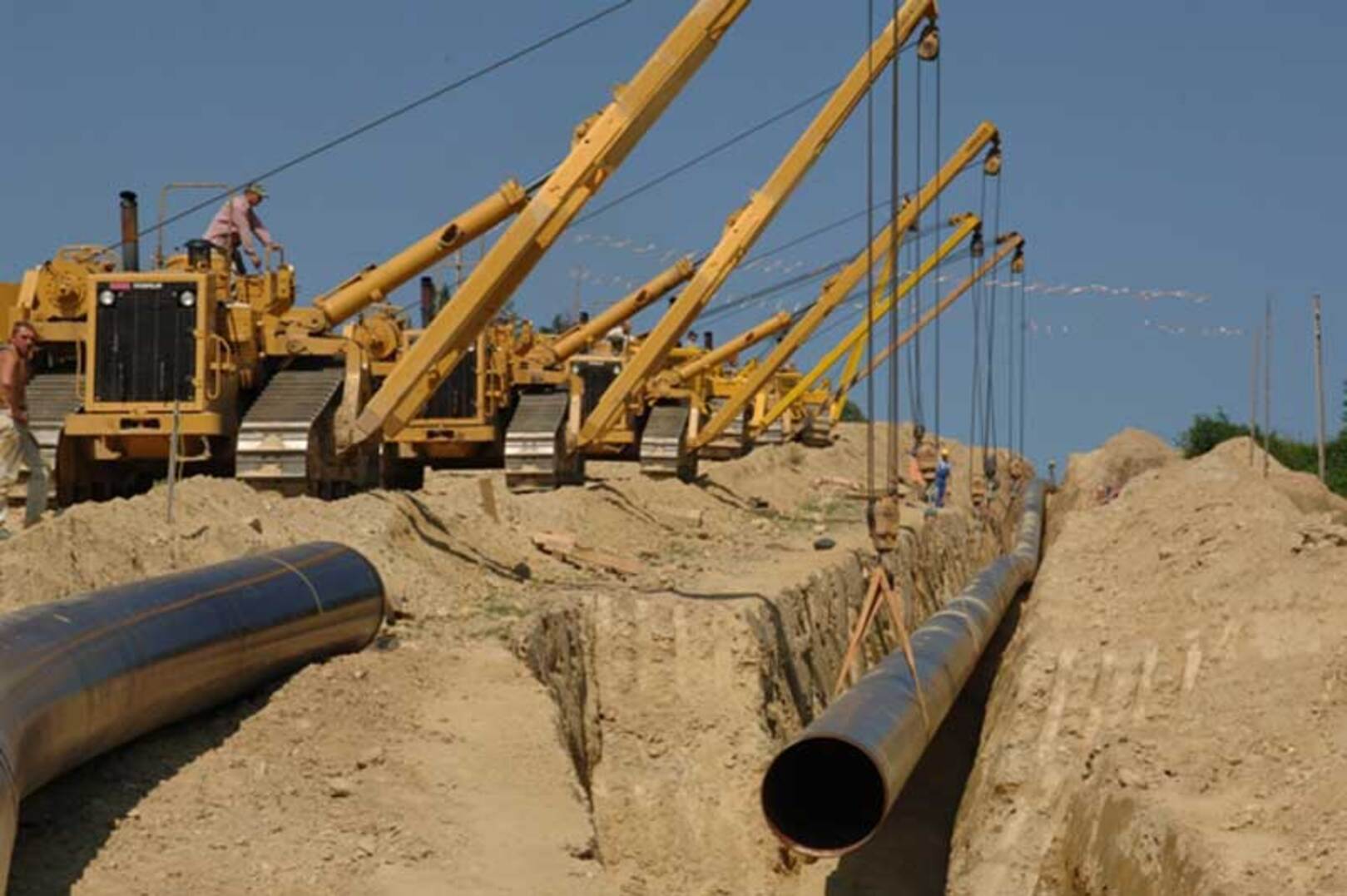
The proposed Atlantic gas pipeline linking Nigeria to Morocco is set to enter a decisive phase, with an intergovernmental agreement expected to be signed by 13 participating countries, according to regional economic reports.
Estimated at around $25 billion, the project will stretch approximately 6,900 kilometers along the West African coastline, making it one of the largest energy infrastructure projects ever undertaken on the continent.
The pipeline is designed to transport natural gas from Nigeria through several West African nations to Morocco, with the potential to connect to European markets. It is expected to significantly enhance regional energy integration while supporting industrial development and improving access to energy across participating countries.
Officials say the upcoming agreement will mark a critical milestone, providing a legal and institutional framework for the project’s implementation. Construction is expected to progress in phases, with commissioning targeted around 2030.
Analysts note that beyond its economic potential, the pipeline could reshape energy dynamics in West Africa by reducing reliance on more limited or unstable energy sources, while also strengthening cooperation among participating states.
However, the scale and complexity of the project raise questions about financing, coordination, and long-term sustainability, particularly in a global context marked by energy transition pressures.
If completed as planned, the Nigeria–Morocco gas pipeline could position the region as a key energy corridor linking African gas resources to international markets.

