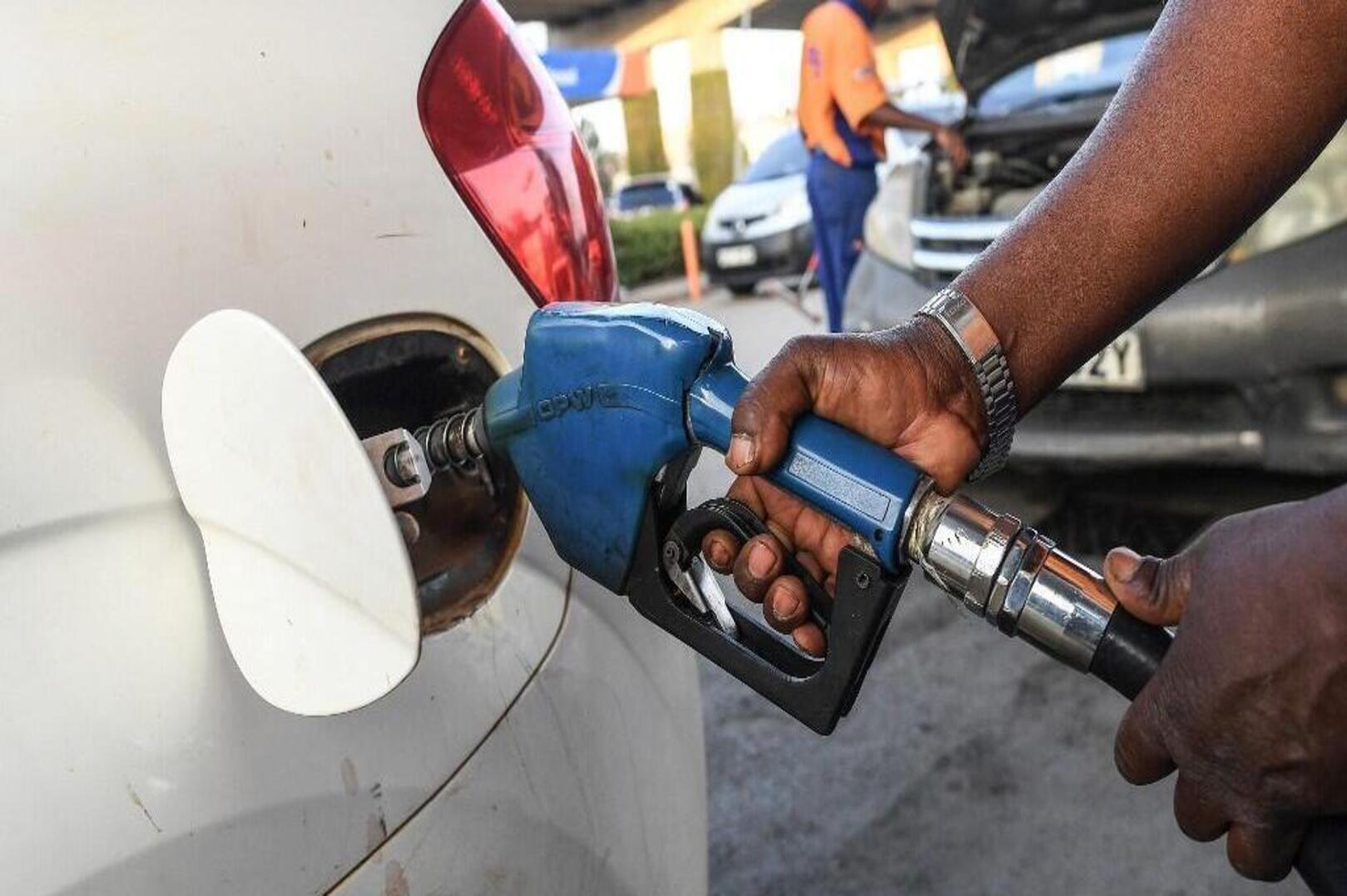
Since the beginning of March 2026, Nigeria has been facing a sharp rise in fuel prices, reaching around 60 percent. This increase, one of the highest among major African economies, is raising serious concerns, particularly in the economic capital, Lagos.
Across several filling stations in the country, petrol prices now range between 1,300 and 1,500 naira per litre, compared to about 800 to 900 naira just a few weeks earlier. This rapid surge marks a historic high and is significantly affecting household purchasing power.
Several factors explain this spike. On one hand, rising global oil prices, driven by geopolitical tensions, have increased supply costs. On the other hand, the removal of fuel subsidies has exposed consumers to international market fluctuations.
Furthermore, despite being a major oil producer, Nigeria still depends heavily on imported refined petroleum products. The gradual rollout of the Dangote Refinery, seen as a structural solution, has not yet succeeded in stabilizing prices, as they remain linked to global market trends.
In Lagos, where economic activity relies heavily on road transport and fuel-powered generators, the situation is becoming increasingly concerning. Transport costs have risen sharply, leading to a ripple effect on food prices and services.
Traders, drivers, and informal workers are among the hardest hit. Some economic actors report declining activity, while early signs of public discontent and protests are emerging in certain urban areas.
This crisis highlights structural weaknesses in Nigeria’s energy sector, including dependence on imports and vulnerability to external shocks. It also raises questions about the social impact of ongoing economic reforms.
In an already fragile economic context, the rise in fuel prices could have lasting consequences on growth and social stability in the country.