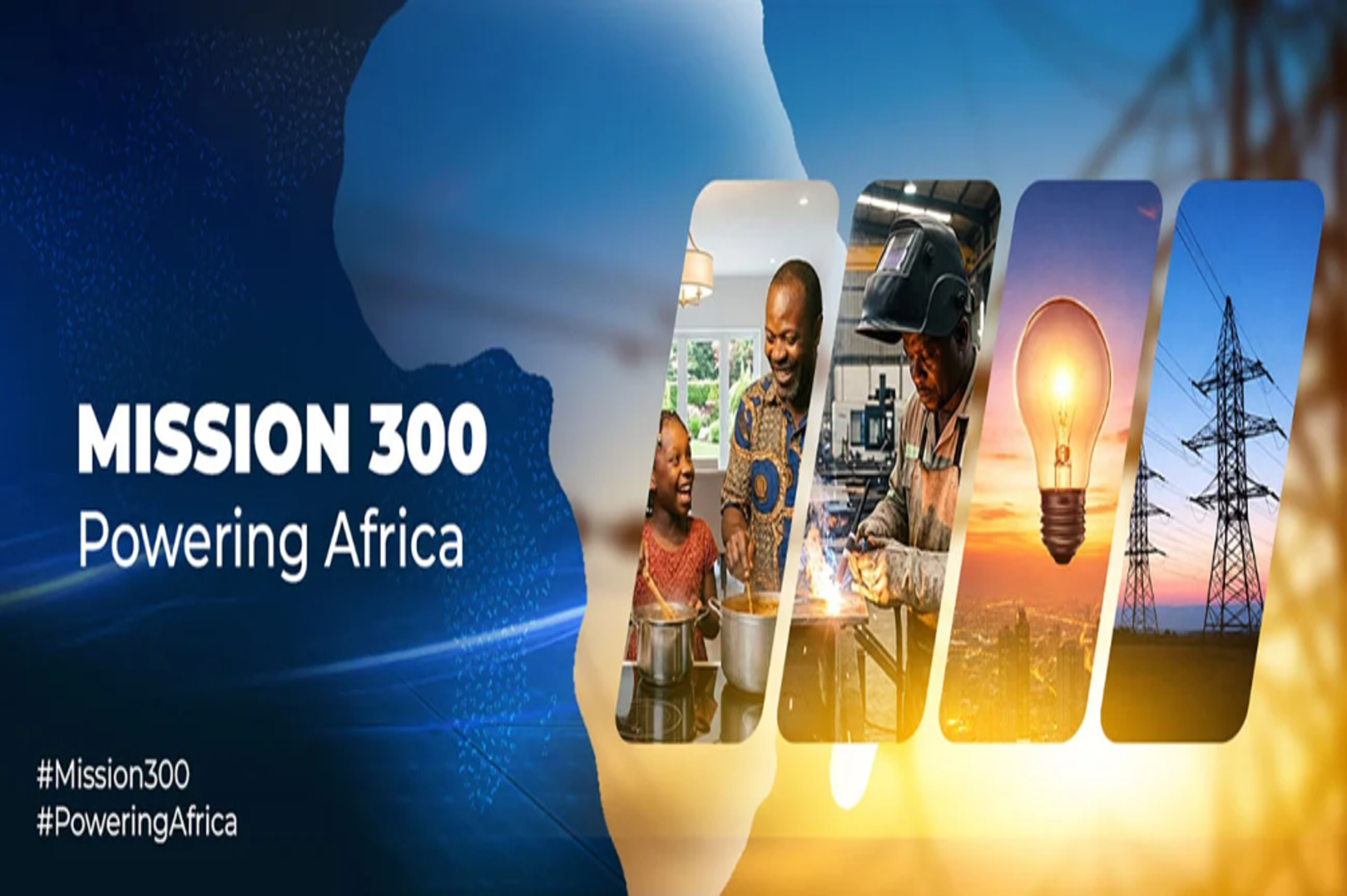
Ghana is making progress in implementing its National Energy Compact, with 13 of the 16 priority reforms currently on track as the country seeks to strengthen its power sector and accelerate energy access under the Mission 300 initiative backed by the African Development Bank and the World Bank.
The West African nation has developed a $4.4 billion investment pipeline aimed at transforming its energy sector between 2025 and 2030. The programme focuses on expanding electricity access, improving grid reliability, increasing renewable energy capacity and attracting private sector participation.
The reforms are part of Ghana’s commitments under Mission 300, a global initiative designed to help connect 300 million additional people in Africa to electricity by 2030.
The investment programme includes projects targeting electricity transmission and distribution networks, rural electrification, renewable energy development and improvements in the efficiency of state-owned energy institutions.
Ghana is also seeking to mobilize significant private sector funding to support the transformation of its energy industry, with investors expected to play a key role in financing infrastructure projects and renewable energy initiatives.
Although Ghana has one of the highest electricity access rates in sub-Saharan Africa, authorities continue to face challenges related to grid stability, energy costs and the need to diversify the country’s energy mix.
The government says the implementation of the National Energy Compact will help build a more reliable, sustainable and inclusive energy system while supporting economic growth and industrial development.
Mission 300, led by the African Development Bank and the World Bank, is part of a broader effort to address Africa’s energy gap and expand access to affordable and reliable electricity across the continent.

