Abuja, Nigeria – Nigeria has taken a major step toward developing its automotive and energy sectors. On January 30, 2026, the Nigerian government signed an agreement with South Korea to establish Africa’s first large-scale electric vehicle (EV) factory, a move that could transform the continent’s automotive market.
The Memorandum of Understanding (MoU) was signed in Abuja in the presence of Senator John Enoh, Nigeria’s Minister of State for Industry, Trade, and Investment, alongside representatives from the Asia Economic Development Committee (AEDC) of South Korea. The partnership aims to produce electric vehicles locally while developing a nationwide charging infrastructure.
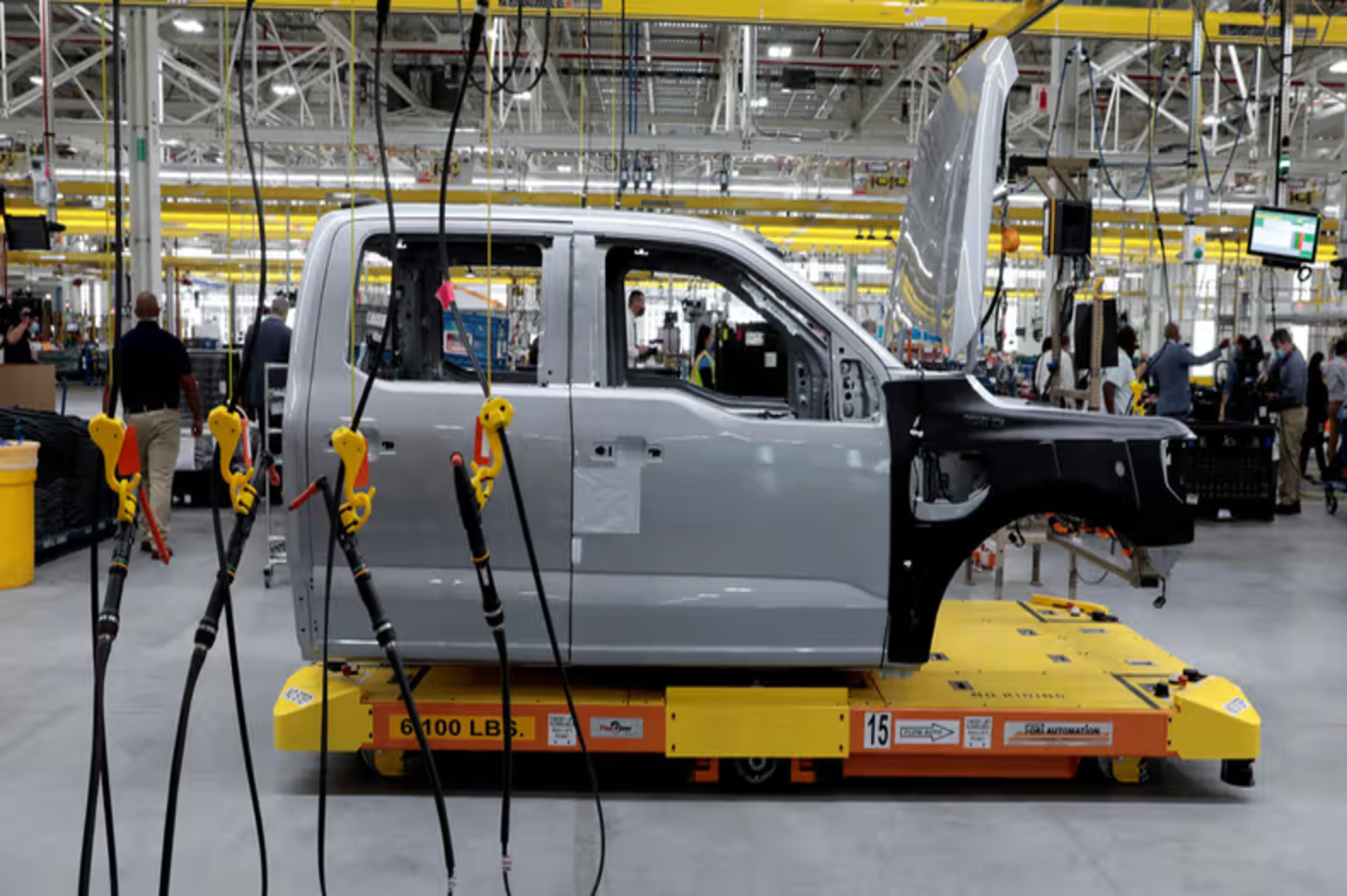
Nigerian authorities said the factory would be implemented in multiple phases. The initial stage will focus on assembling electric vehicles, before gradually moving toward full-scale integrated production with locally manufactured components, including batteries. The facility is expected to reach an annual production capacity of up to 300,000 vehicles, creating around 10,000 direct jobs in the automotive sector.
The project is part of Nigeria’s National Energy Transition Plan (ETP) and the National Automotive Industry Development Plan (NAIDP), which aim to strengthen the domestic automotive industry, attract foreign investment, and accelerate the country’s shift toward sustainable mobility.
Beyond production, the agreement includes the deployment of electric vehicle charging infrastructure nationwide, a critical step to encourage EV adoption in Nigeria. The initiative is also intended to reduce dependence on imported combustion-engine vehicles while promoting local innovation and creating skilled jobs.
Through this initiative, Nigeria positions itself as a potential leader in Africa’s electric vehicle industry, at a time when global demand for clean mobility solutions is surging. Experts note that, if fully implemented, the project could serve as a model for other African countries seeking to develop a sustainable and competitive automotive industry.
The strategic partnership between Nigeria and South Korea underscores the continent’s determination to play an active role in the energy transition while strengthening its global position in the automotive sector.