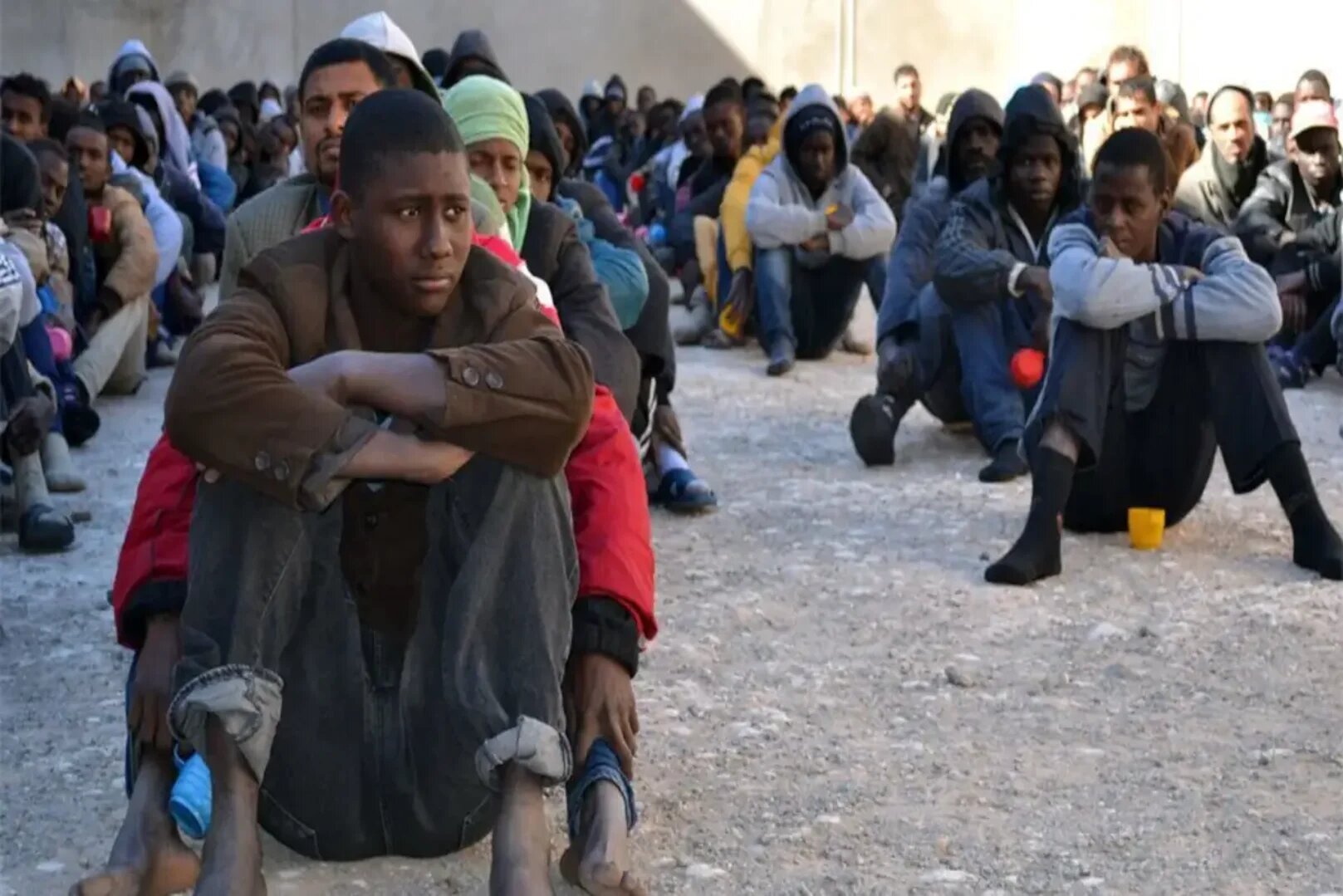
Spanish police have struck a major blow against a criminal network involved in trafficking minors from West Africa to Europe. On Thursday, November 13, authorities announced the arrest of eleven individuals suspected of organizing the clandestine transfer of young migrants from Côte d’Ivoire to the Canary Islands, before sending them on to France using forged documents.
A well-structured network between Côte d’Ivoire, Morocco, and Spain
Investigations, launched after the disappearance of fourteen minors from two reception centers in Lanzarote and Gran Canaria, revealed a highly organized operation. According to H24info, members of the network had contacts in Morocco to facilitate passage to the Canary Islands, as well as accomplices in Côte d’Ivoire providing falsified documents. These papers allowed young migrants to travel under false identities to France.
A total of eleven people were arrested. Searches of the suspects’ homes led to the seizure of cash, electronic equipment, and suspicious administrative documents. Four individuals were placed in pre-trial detention for alleged membership in a criminal organization, document forgery, and human trafficking. Spanish authorities indicated that the investigation remains ongoing, as the fate of several minors has yet to be clarified.
Migrant trafficking: a persistent scourge in the Maghreb
This dismantling highlights the persistence of human trafficking networks operating between West Africa and the Maghreb. In recent years, several similar cases have exposed migration routes through Morocco, Tunisia, and Algeria, where traffickers exploit the vulnerability of young migrants seeking a future in Europe. Criminal groups organize transportation, document forgery, and passenger concealment, generating lucrative trafficking operations that often evade authorities. Despite increased surveillance and strengthened police cooperation, these routes continue to adapt to controls and circumvent border security measures.

