The Democratic Party of Côte d'Ivoire (PDCI) and the Ivorian Popular Front (FPI), both members of the Cap-Côte d’Ivoire platform, have explained their reasons for not participating in the recent meeting with the Rally of Houphouëtists for Democracy and Peace (RHDP), held on Wednesday, July 16, 2025, in Abidjan-Cocody. According to them, such an exchange is "not necessary." Their priority remains direct political dialogue with the government to ensure peaceful, inclusive, and credible elections.
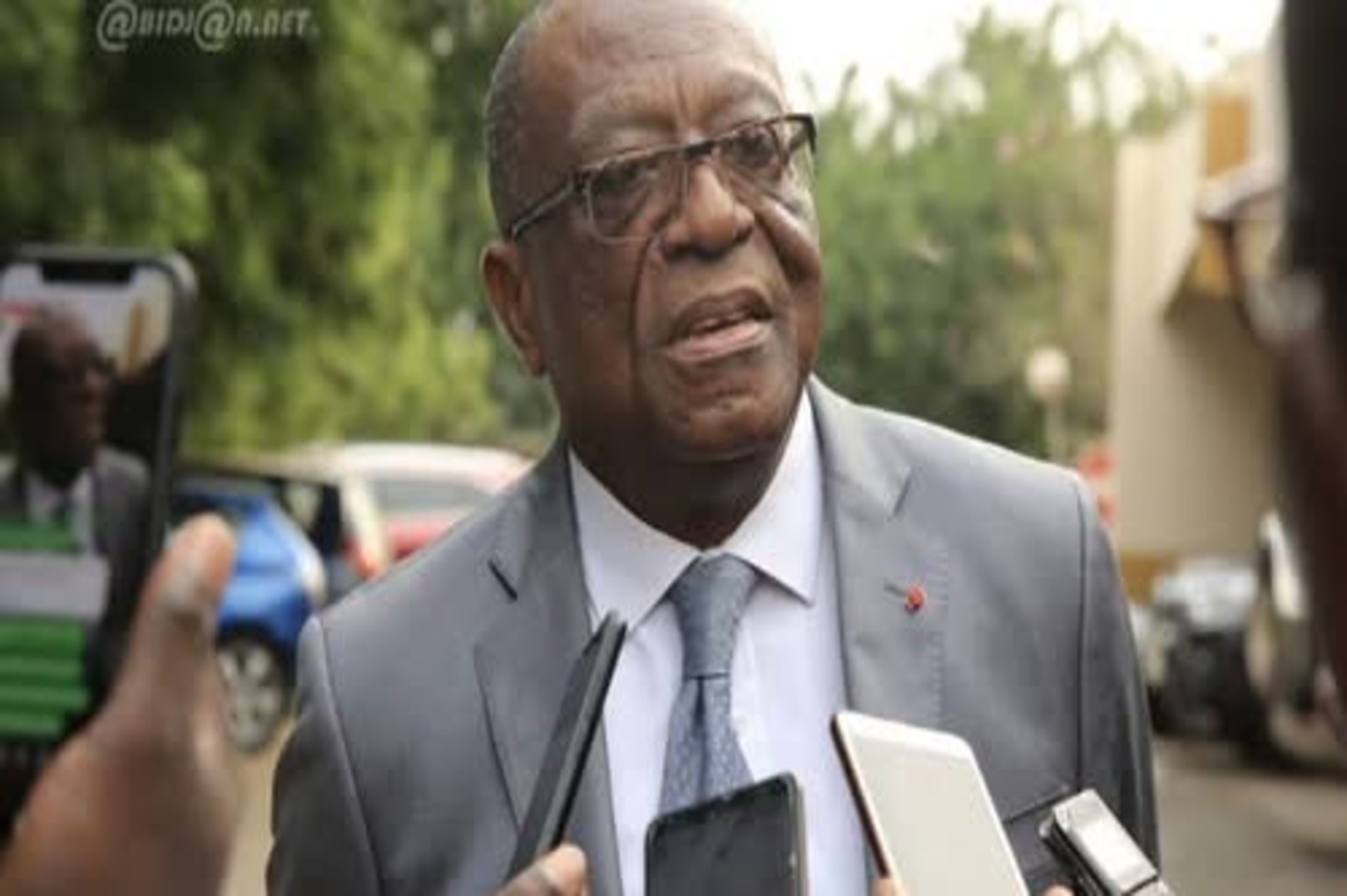
“This approach did not receive unanimous support within CAP. We have always prioritized direct dialogue with the government, which we have been pursuing for several months,” said Pascal Affi N’Guessan, president of the FPI. He clarified that this position does not formally prevent other member parties from participating. “Within our coalition, parties are autonomous and free to make their own decisions. But this meeting cannot commit the entire CAP,” he emphasized.
Since 2024, the Cap-Côte d’Ivoire member parties have been advocating for political dialogue focused on the electoral process. According to Georges Ezaley, Vice-President of the PDCI-RDA, several letters have been sent to the President of the Republic without any concrete response. “We’ve sent three letters to the Head of State requesting discussions on electoral reforms. In May, with no reply, we extended our advocacy to partners like the European Union, ECOWAS, the African Union, and even traditional leaders,” he stated.
The idea of a meeting with the RHDP had been raised in May, but it never materialized. The planned meeting with the ruling party was postponed at the last minute due to scheduling issues.
Georges Ezaley also pointed out that the public remarks made by some RHDP officials on television discouraged CAP-CI from engaging. Those officials claimed that the previously initiated political dialogue had already addressed all key issues—a position the opposition parties view as “closed off.” “When someone publicly says that political dialogue is no longer necessary, what’s the point of asking them to support it?” Ezaley asked. For him, dialogue should not be held with the RHDP but with the institutions of the state.
Despite these challenges, CAP-CI remains committed to its objective. “We are at the fifth round of dialogue; we want to initiate a sixth,” said Pascal Affi N’Guessan. The platform members are therefore calling for the opening of a genuine consultation space with the authorities to ensure transparency in the upcoming electoral process.