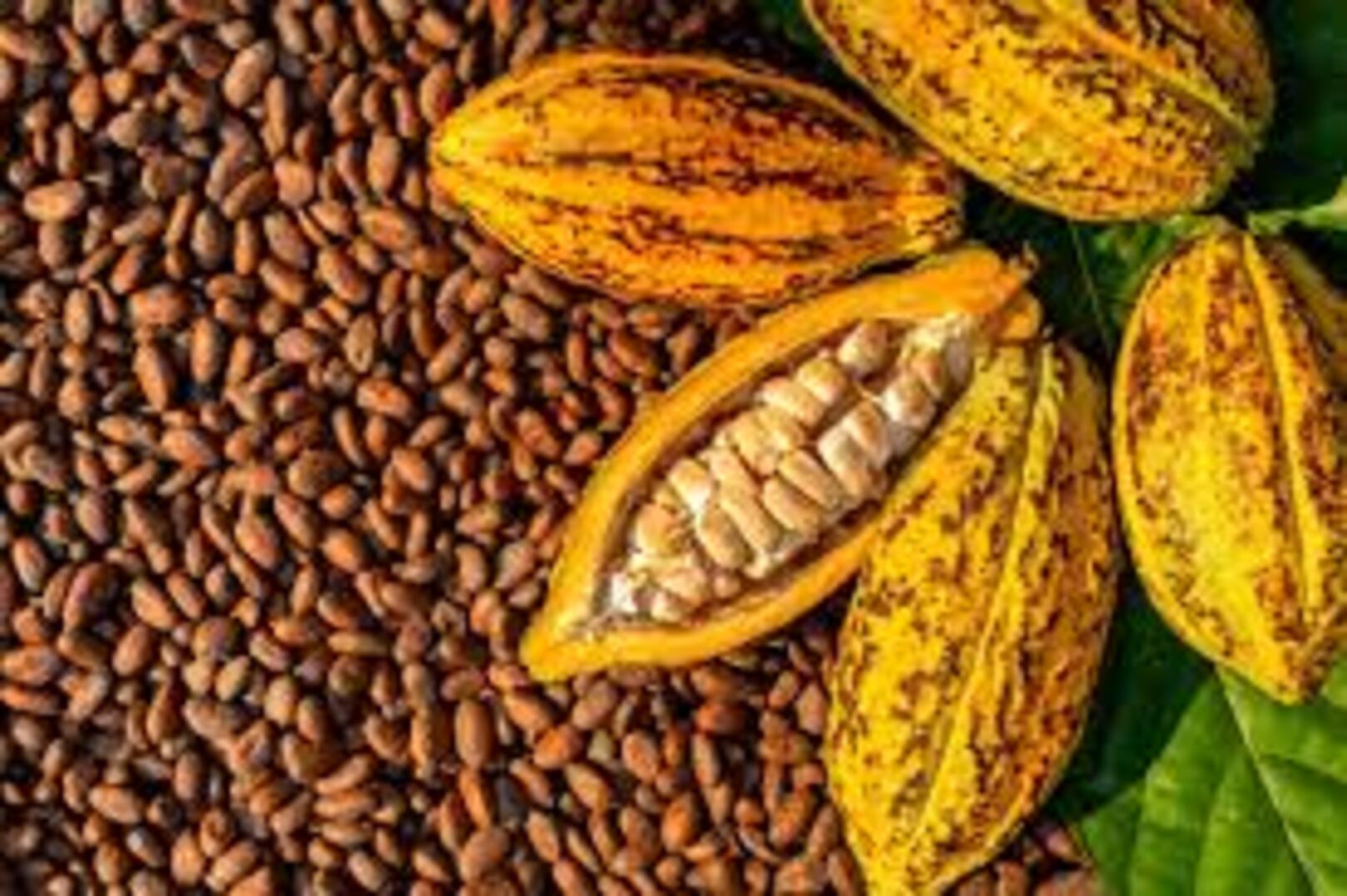
After Côte d’Ivoire, Ghana is facing a buildup of cocoa stocks following the collapse in prices.
Ghana, the world’s second-largest cocoa producer, is currently experiencing a significant accumulation of cocoa stocks amid a sharp decline in international prices, mirroring the situation already observed in Côte d’Ivoire, the leading global producer. This crisis is simultaneously affecting both countries, which together account for more than 60% of global cocoa production, with major repercussions for their economies and the incomes of millions of farmers.
The sudden drop in international cocoa prices comes after a period of historically high prices recorded in 2024, creating a dramatic market reversal. Several factors explain this collapse: a significant improvement in production conditions and expectations of abundant harvests, the rebuilding of global stocks after deficits in previous seasons, a slowdown in demand from major consumer markets due to inflationary pressures and changing consumption habits, and financial speculation on futures markets contributing to excessive price volatility.
This paradoxical situation unsold stocks despite structurally strong global demand for chocolate also results from dysfunctions in marketing mechanisms. Public regulatory bodies in Ghana (COCOBOD) and Côte d’Ivoire (Coffee-Cocoa Council) are struggling to quickly offload their accumulated stocks at the guaranteed prices paid to farmers, which are significantly higher than current world market prices, thereby creating substantial financial deficits for these institutions.
For Ghanaian and Ivorian producers, this crisis comes in an already challenging context marked by rising production costs (inputs, labor, transportation), aging plantations, the impacts of climate change, and the spread of diseases affecting cocoa trees. The accumulation of stocks threatens the ability of public bodies to maintain guaranteed farm-gate prices in upcoming seasons, potentially leading to a drastic decline in cocoa farmers’ incomes.

