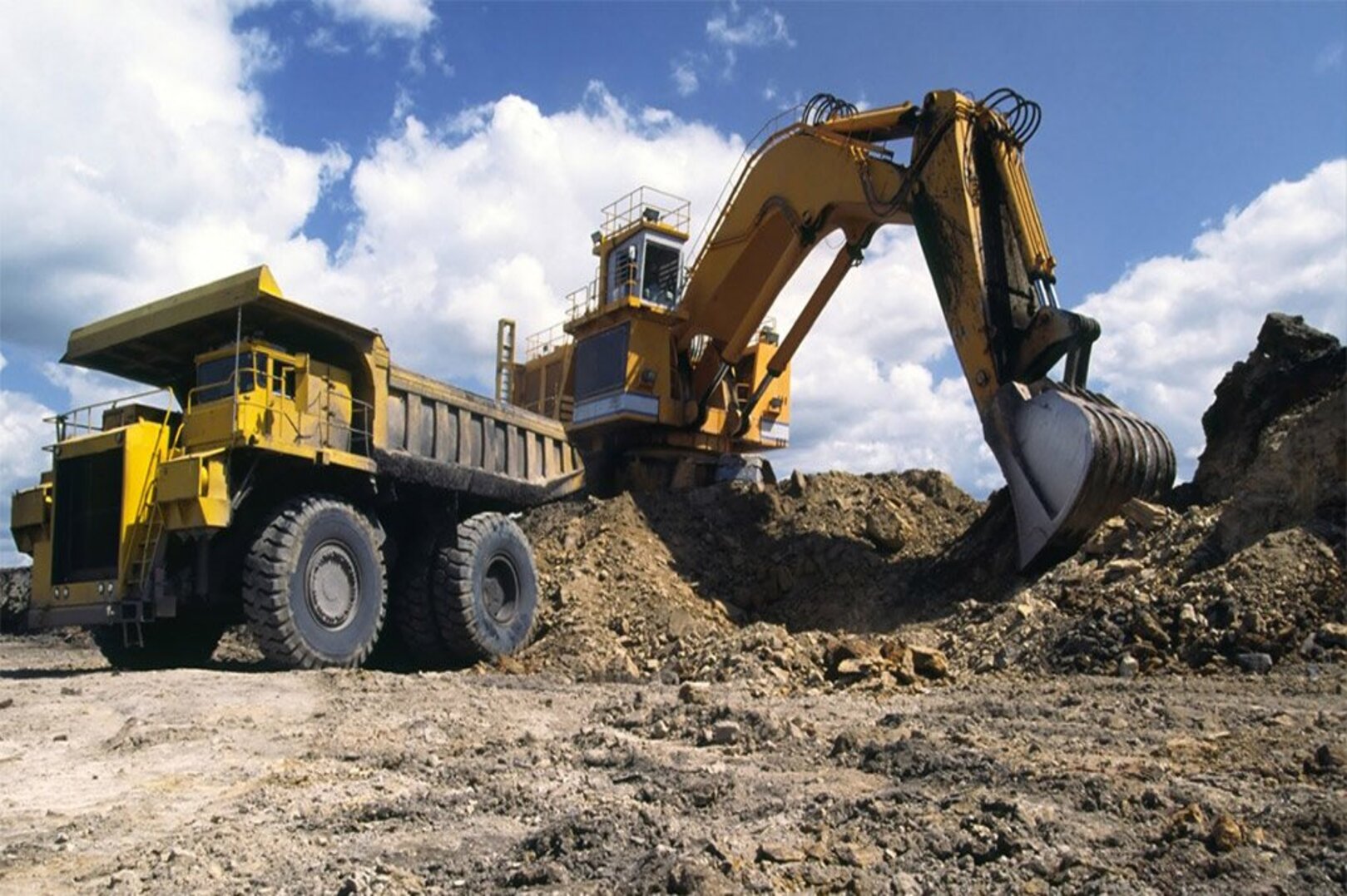
Nigeria is losing billions of dollars in mining revenue to a vast illegal trade network dominated by foreign buyers, shell companies, and armed criminal groups, according to a joint report released by the Nigeria Extractive Industries Transparency Initiative (NEITI) and the Africa Network for Environment and Economic Justice (ANEEJ).
The report, supported by the British government, found that illicit financial flows in Nigeria’s mining sector are driven by trade manipulation, cross-border smuggling, corruption involving public officials, and illegal mining operations.
According to investigators, foreign buyers — particularly Chinese operators — play a central role in the system by influencing mineral prices, export channels, and direct purchasing practices at mining sites. The report also highlights widespread underreporting of mineral values, manipulation of weights and quality assessments, and informal cash payments that facilitate illegal transactions.
Despite Nigeria’s vast natural resources — with at least 44 commercially viable minerals identified — the mining sector accounted for only 0.72% of GDP, 0.28% of government revenue, and 0.75% of exports in 2023, remaining far behind the oil and gas industry, which continues to dominate the economy.
The report also points to a growing expansion of illegal mining activities in northwestern Nigeria, where illicit extraction increasingly overlaps with areas affected by armed banditry and insecurity. Nigerian authorities now view the underground mining economy as an emerging national security threat.
Investigators say criminal networks are using shell companies and local intermediaries to launder profits from illegal mineral trading and bypass official controls. The report calls on the Nigerian government to strengthen mineral traceability systems, tighten export controls, and intensify anti-corruption efforts in order to protect the country’s strategic natural resources.

