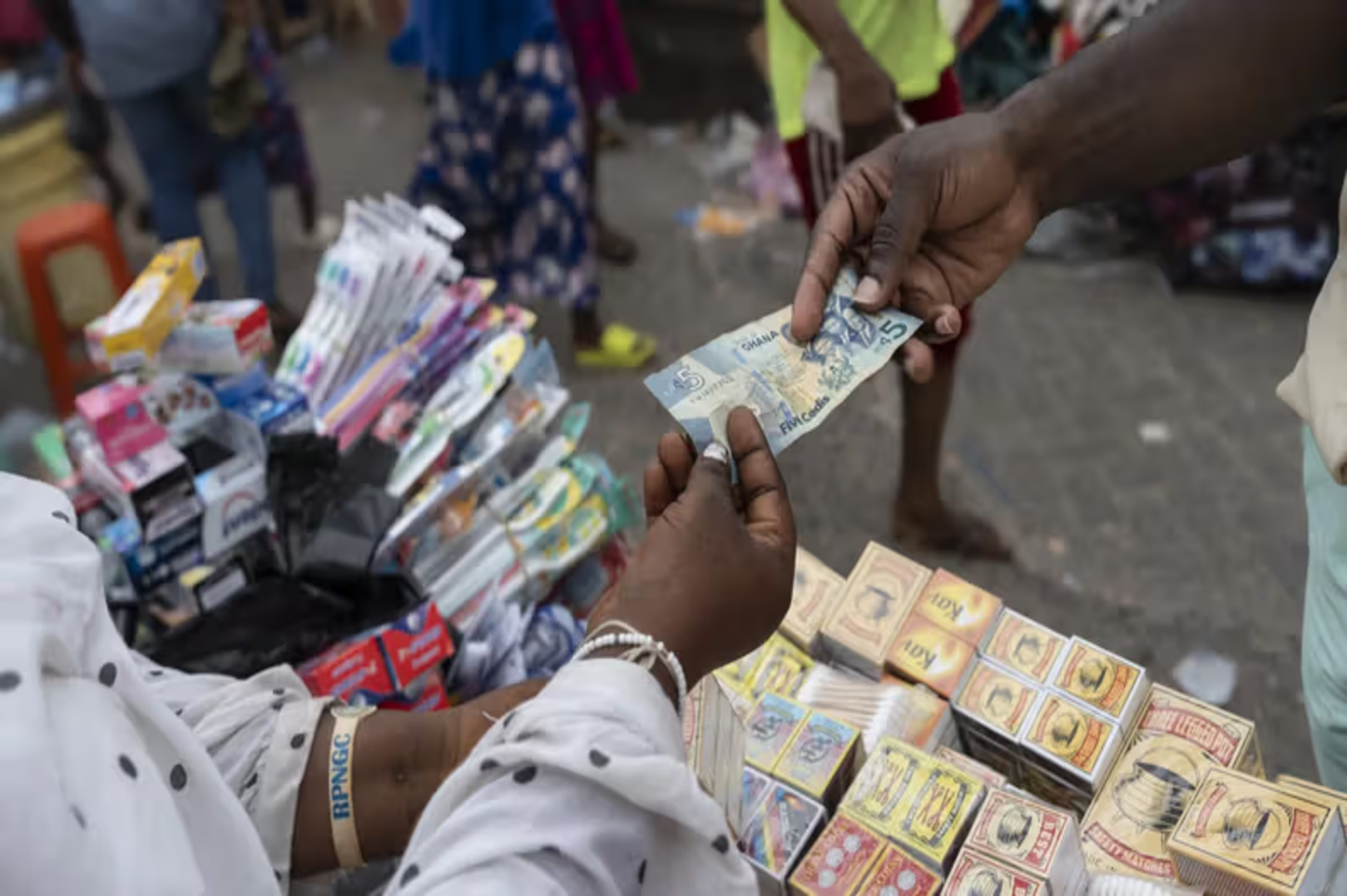
The Ghanaian currency, the cedi, has fallen by approximately 4.8 percent against the US dollar since the beginning of the year, due to sustained demand for foreign exchange to finance imports and economic activities. This depreciation follows a period during which the cedi recorded its first annual gain in over three decades, supported by rising gold prices and increased foreign reserves.
To capitalize on gold production and reduce smuggling, the Ghanaian government established the Ghana Gold Board (GoldBod). The agency’s mandate is to formalize gold purchases from artisanal miners and enforce stricter oversight of the trade. Through these measures, Ghana aims to increase foreign currency earnings and strengthen the stability of its national currency.
In the third quarter, GoldBod exported over 25,780 kilograms of gold, surpassing the export volumes of major mining companies operating in the country. This performance highlights the positive impact of formalizing the gold sector and demonstrates that state initiatives can generate significant revenue while limiting the outflow of precious metals into informal markets.
Ghana’s gold sector continues to play a central role in the national economy, contributing to export revenues and foreign reserves. Experts note that the combination of strong global demand for gold, high market prices, and local reforms like those implemented by GoldBod could provide Ghana with an important tool to stabilize the cedi and support economic growth.
Despite the recent depreciation of the cedi, authorities remain confident in the long-term effectiveness of these measures, which aim to create a more transparent gold market and reduce pressure on the national currency. The reforms also demonstrate Ghana’s ability to leverage its natural resources to strengthen economic stability amid currency fluctuations and foreign exchange pressures.

