Pretoria – South Africa is repositioning nuclear energy as a central pillar of its national energy strategy, as the country continues to face recurring power shortages and load shedding that have weighed heavily on the economy. Authorities believe that expanding nuclear capacity could help stabilize the national grid over the long term.
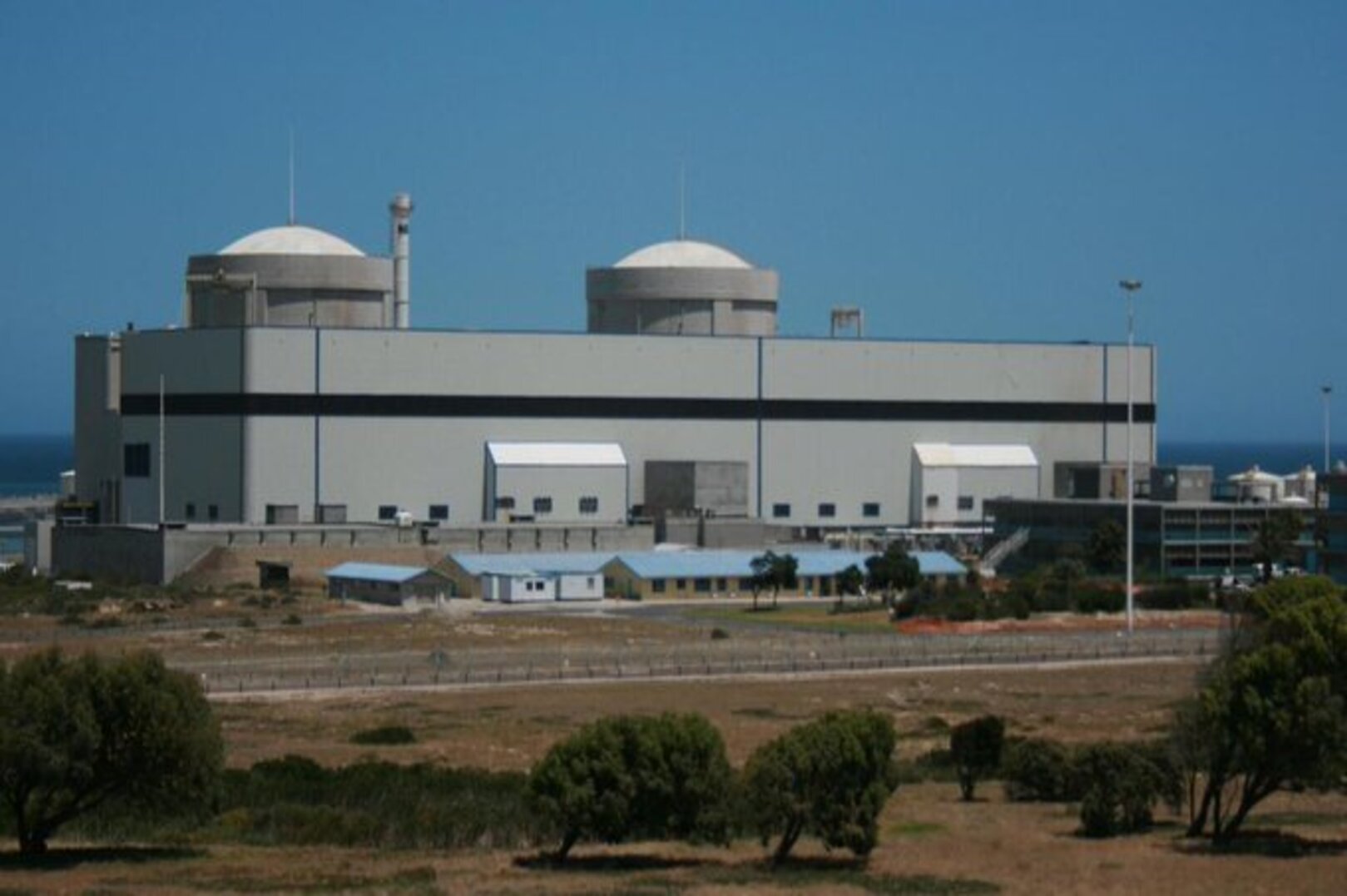
The country currently operates one commercial nuclear power plant, the Koeberg Nuclear Power Station, located near Cape Town. Commissioned in the 1980s, the facility provides roughly 5% of South Africa’s electricity supply. It is operated by the state-owned utility Eskom, which has faced significant technical and financial challenges in recent years.
In response to the ongoing energy crisis, the government has approved an updated Integrated Resource Plan (IRP 2025), outlining the country’s long-term electricity roadmap. The plan includes the addition of new nuclear capacity in the coming years, with the aim of diversifying the energy mix, which remains heavily dependent on coal, and reducing vulnerability to power cuts.
At the same time, modernization work has been undertaken at Koeberg to extend the lifespan of its reactors. Officials view this extension as a crucial step in maintaining stable electricity production while new generation capacity is being developed.
The government is also considering the deployment of new nuclear projects, including small modular reactor (SMR) technologies, which are seen by some experts as more flexible and potentially better suited to current energy demands. However, these initiatives remain subject to technical, environmental, and financial assessments.
While nuclear energy is presented by authorities as a reliable and low-carbon source of power, the strategy continues to spark debate within the country. Critics point to high construction costs, long development timelines, and concerns over nuclear waste management, arguing instead for greater investment in renewable energy sources such as solar and wind.
Amid a global energy transition, South Africa appears to be pursuing a diversified approach that combines nuclear, renewables, and natural gas, aiming to strengthen energy security and support economic growth.