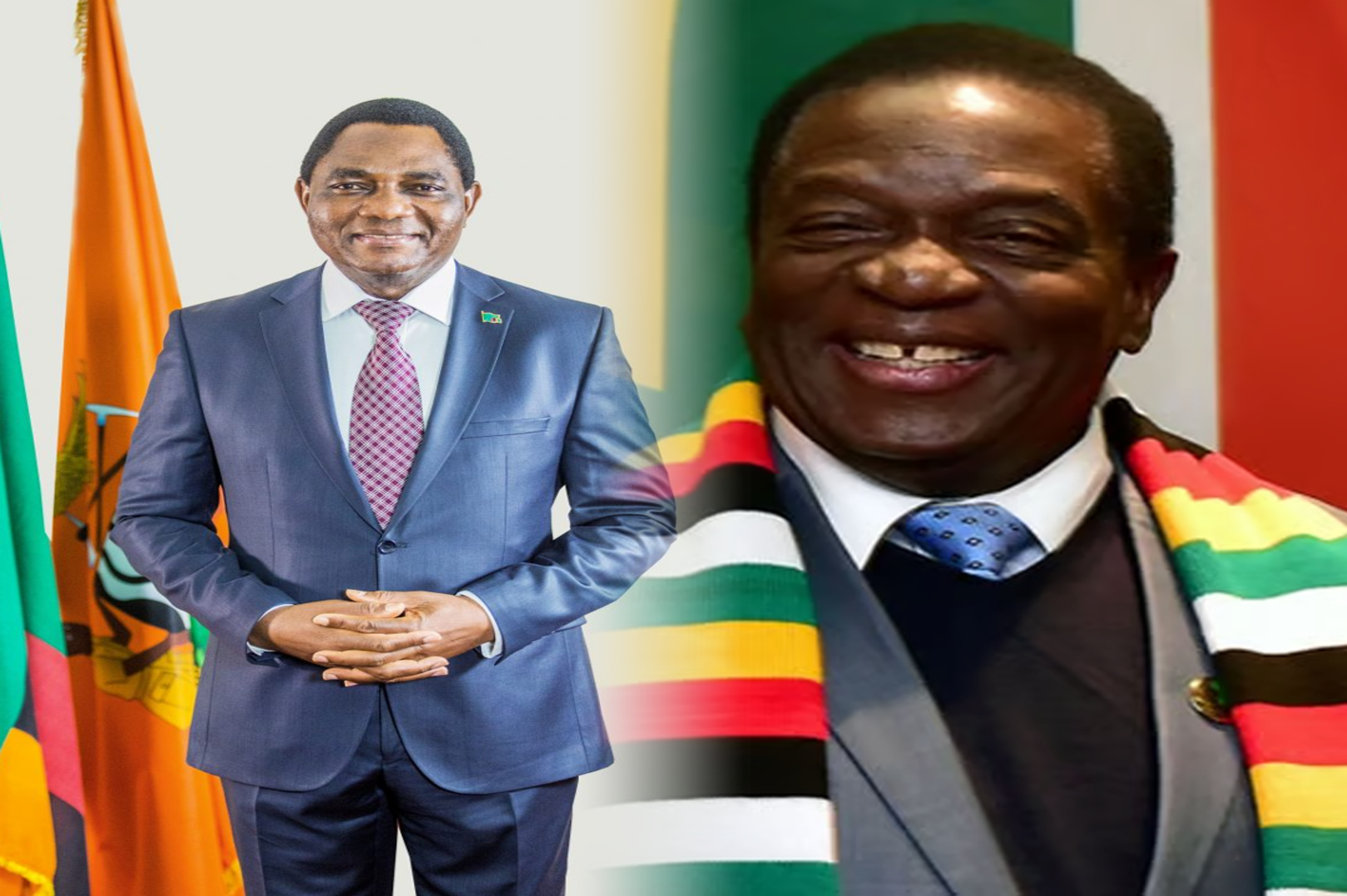
Zambia and Zimbabwe have recently declined or postponed bilateral health funding agreements offered by the United States, amounting to approximately 1.012 billion dollars for Zambia and 367 million dollars for Zimbabwe. These agreements were part of a new U.S. approach to bilateral health cooperation aimed at supporting programs against HIV/AIDS, malaria, tuberculosis, maternal and child health, as well as epidemic preparedness.
In Lusaka, Zambian authorities delayed or refused the agreement due to disagreements over certain project conditions, stating that some aspects did not align with national interests, particularly controversial clauses on the sharing of sensitive health data and co-funding obligations. The government indicated it remains open to constructive dialogue, but only under clearly defined and mutually beneficial terms.
In Harare, Zimbabwe halted discussions with Washington after deeming the proposed conditions unbalanced and containing requirements that could compromise national sovereignty. Zimbabwean officials specifically cited concerns about sharing sensitive health data without reciprocal guarantees.
These developments reflect a broader reassessment of international health funding arrangements in Africa, where several countries are carefully examining the terms of bilateral agreements, particularly regarding data confidentiality, national security, and access to benefits derived from local contributions. Regional organizations such as the Africa Centres for Disease Control and Prevention (Africa CDC) have also expressed concerns about certain aspects of U.S. agreements, particularly regarding data sharing and member state sovereignty.

