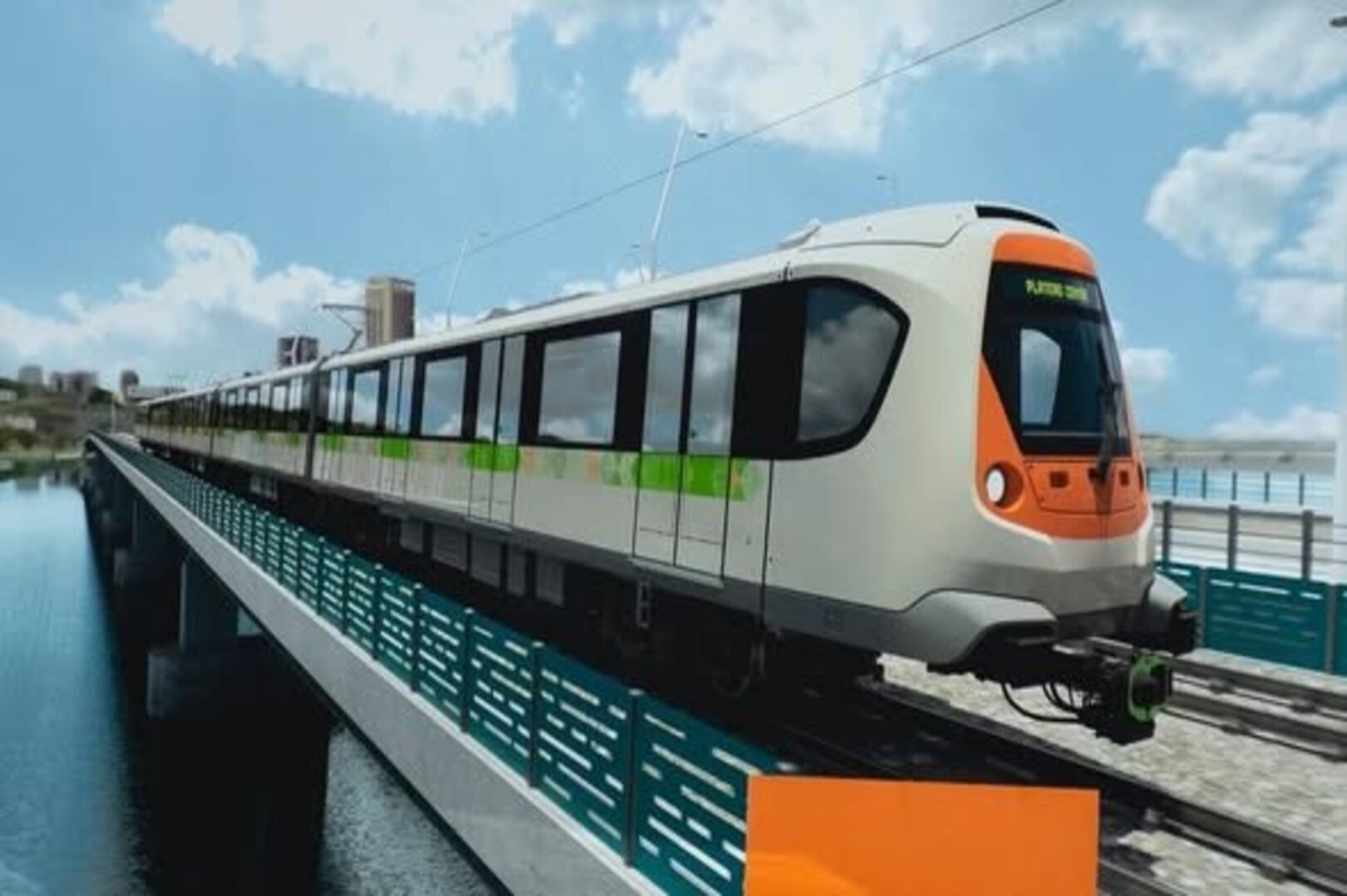
Côte d’Ivoire pushes major railway expansion under 2026–2030 development plan
Côte d’Ivoire is advancing an ambitious railway modernization program as part of its National Development Plan (PND) 2026–2030, aiming to strengthen domestic connectivity and position the country as a regional transport and logistics hub in West Africa.
According to official government communications and sector documents, the plan includes the development of a strategic rail corridor linking Abidjan, Yamoussoukro, Bouaké and extending toward northern cities such as Ferkessédougou, with potential long-term integration into regional transport networks.
Government transport publications indicate that the broader vision is to improve mobility between the country’s key economic and administrative centers while enhancing freight capacity for agricultural and industrial exports.
The railway program is part of a wider infrastructure push under the PND 2026–2030, which has been adopted by Ivorian authorities and is designed to accelerate structural transformation of the economy through large-scale investments in transport, energy, and logistics.
The overall development framework is estimated at approximately 114,000 billion CFA francs, with financing expected to come from a mix of private investment, public resources, and international partners.
Officials say the private sector is expected to play a dominant role in funding the plan, accounting for more than 70% of total investment, while the state contributes through public spending and financial market operations. Additional support is expected from multilateral partners including the World Bank, the African Development Bank (AfDB), and the European Union through a planned donor consultation mechanism.
The railway component is also linked to ongoing studies and institutional coordination involving international partners, including technical cooperation with agencies such as JICA and regional operators to assess feasibility and financing structures for major rail corridors.
Beyond passenger transport, authorities emphasize that the future rail network is expected to support industrial development by improving freight logistics between inland production zones and coastal export hubs, particularly Abidjan, the country’s economic capital.
Côte d’Ivoire currently relies on a single main railway axis connecting Abidjan to Burkina Faso via northern cities, a legacy colonial-era infrastructure that has undergone limited modernization in recent decades. The new strategy seeks to address capacity constraints and improve regional integration within West Africa.
While several segments of the proposed network remain at the planning or feasibility stage, the government has consistently identified rail transport as a strategic pillar for economic diversification and regional trade under its long-term development vision.
Further details on financing agreements, construction timelines, and project phases are expected to be disclosed as implementation of the PND 2026–2030 progresses.